When we think of the great empires of the ancient world, Rome often dominates the conversation. However, to the east lay a superpower that stood toe-to-toe with the Romans for over four centuries: the Sasanian Empire. Also known as the Neo-Persian Empire, this formidable state stretched across modern-day Iran, Iraq, and parts of Central Asia and the Middle East from 224 to 651 CE.
As the last great pre-Islamic Persian empire, the Sasanian era is widely considered a golden age of Iranian culture, art, and military innovation. Whether you are a history enthusiast or just curious about ancient civilizations, understanding the Sasanian Empire is essential to grasping the complete picture of ancient global history.
The Origins: Rise of the Neo-Persian Empire
The story of the Sasanian Empire begins with the fall of another great power: the Parthian Empire. By the early 3rd century CE, the Parthians had grown weak from internal strife and endless conflicts with Rome.
In 224 CE, a local ruler from the Persis region (modern-day Fars province in Iran) named Ardashir I launched a rebellion. He successfully defeated the last Parthian king at the Battle of Hormozdgan, effectively dismantling the old regime. Ardashir established a new dynasty, naming it after his ancestor, Sasan. This marked the birth of the Sasanian Empire, a state built on the vision of reviving the former glory of the Achaemenid Empire (the first Persian Empire) and centralizing power under a strong, unified monarchy.
The Golden Age of Sasanian Culture
The Sasanian period was characterized by a massive cultural renaissance. The empire became a thriving hub where eastern and western traditions met and merged.
A Center for Global Knowledge
One of the crowning achievements of this era was the Academy of Gondishapur. Located in southwestern Iran, this institution became the intellectual center of the ancient world. It gathered Greek, Indian, and Persian scholars who translated texts, advanced medicine, and studied philosophy and mathematics. The Sasanian kings, particularly Khosrow I, were known as great patrons of the arts and sciences, fostering an environment where learning could flourish.
Zoroastrianism: The State Religion
Religion played a crucial role in Sasanian society. Zoroastrianism was institutionalized as the official state religion, giving the ruling class a divine mandate. Fire temples were constructed across the empire, and the Zoroastrian priesthood held significant political power. This religious centralization helped unify the vast, diverse empire under a shared cultural identity.
Military Might: The Great Rival of Rome
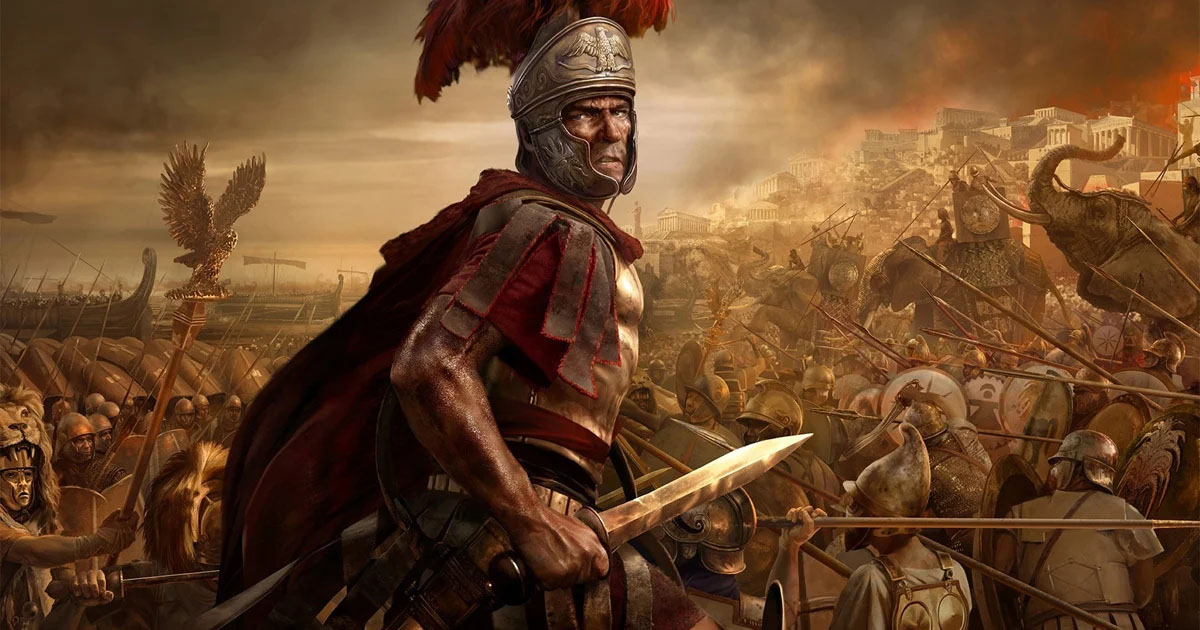
You cannot discuss Sasanian history without highlighting their epic, centuries-long rivalry with the Roman Empire (and later, the Byzantine Empire). The border between these two superpowers, primarily situated in modern-day Syria and Mesopotamia, was a constant battleground.
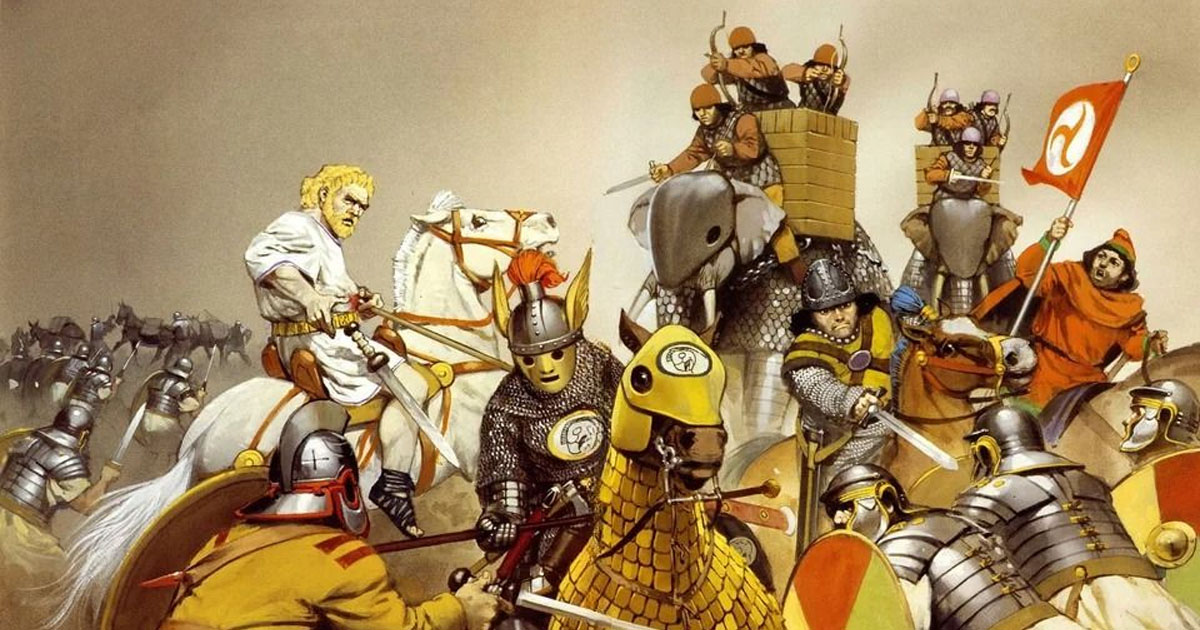
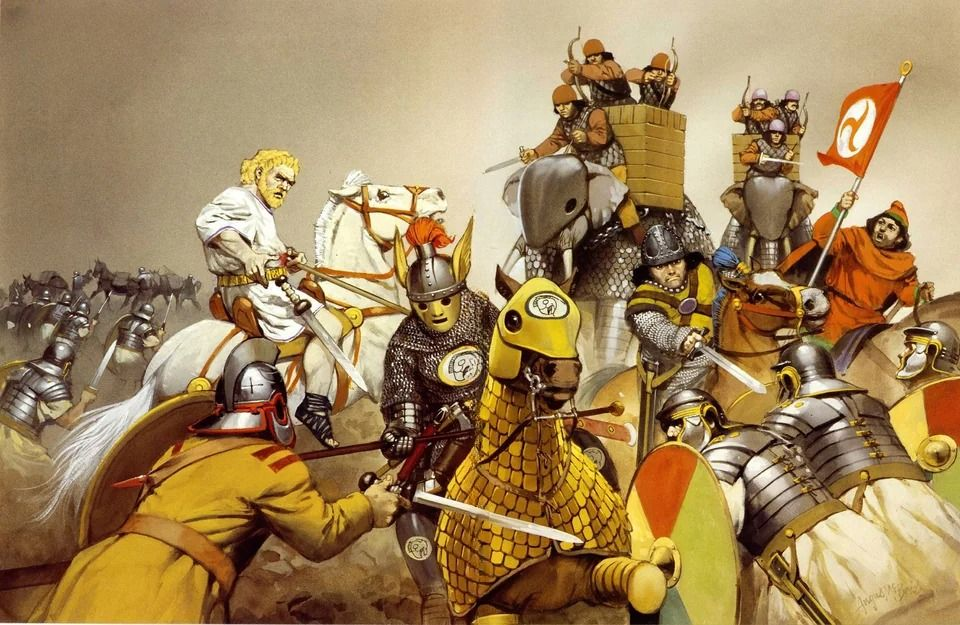
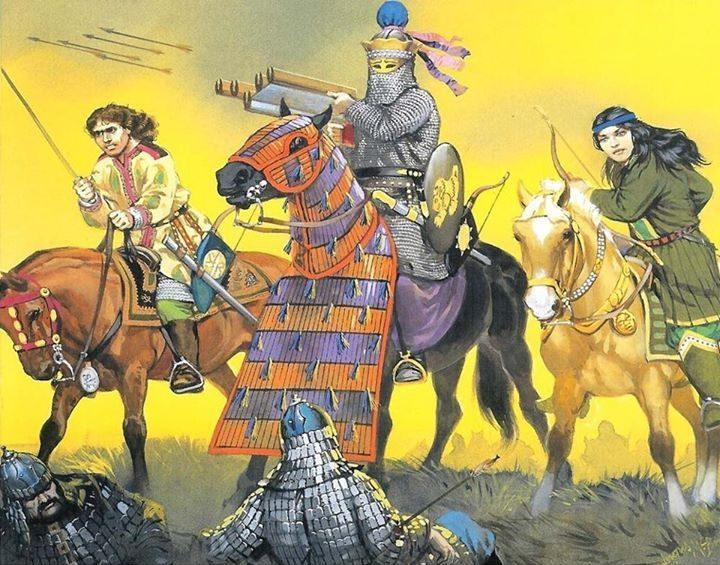
The Sasanian military was incredibly sophisticated. They are perhaps best known for their heavy cavalry, the Cataphracts. These elite horsemen were entirely encased in armor—both rider and steed—acting as the ancient equivalent of tanks. The Sasanians also utilized war elephants imported from India, which terrorized Roman infantry lines.
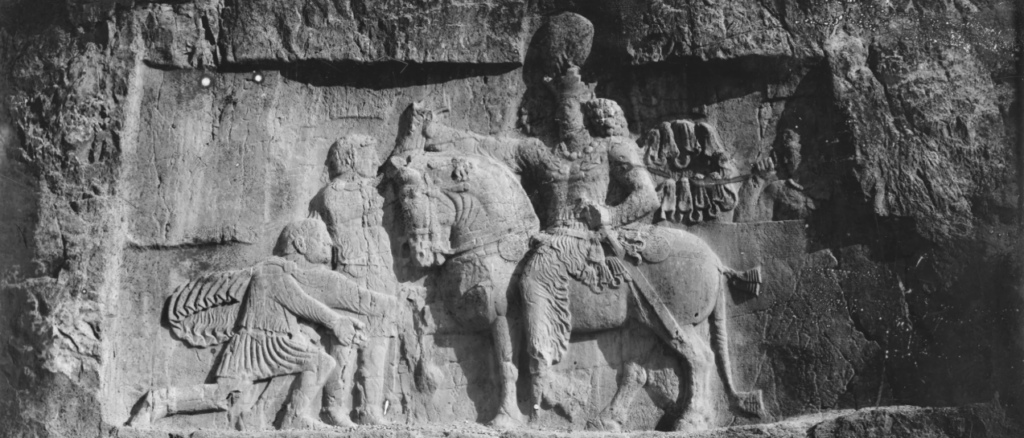
Significant military victories, such as King Shapur I capturing the Roman Emperor Valerian in 260 CE, cemented the Neo-Persian Empire’s reputation as a military juggernaut that could not be easily subdued.
Economic Prosperity on the Silk Road
A strong military requires a robust economy, and the Sasanians had exactly that. Their strategic geographic location allowed them to dominate trade along the Silk Road, controlling the flow of luxury goods between China, India, and the Mediterranean.
- Agriculture: The government invested heavily in advanced irrigation systems, turning arid lands into highly productive agricultural zones.
- Urbanization: Sasanian kings were avid city builders. They founded numerous new cities and infrastructure projects, which stimulated local economies and centralized administrative control.
- Craftsmanship: Sasanian artisans were renowned for their intricate silverwork, exquisite textiles, and massive rock reliefs, many of which still survive today as testaments to their wealth and skill.
The Fall of an Ancient Superpower
If the Sasanian Empire was so powerful, how did it collapse? The answer lies in a fatal combination of exhaustion and unexpected threats.
In the early 7th century, the Sasanian Empire engaged in a devastating, decades-long war with the Byzantine Empire (the Climactic Byzantine-Sasanian War of 602–628). While the Sasanians initially conquered vast territories, including Egypt and the Levant, a Byzantine counter-offensive eventually pushed them back. The war left both empires economically drained, militarily exhausted, and politically unstable.
Right as the Neo-Persian Empire was trying to recover, a new, unforeseen force emerged from the Arabian Peninsula: the Arab Muslim armies. United by the new faith of Islam, these highly motivated forces capitalized on the Sasanian Empire’s weakened state. Despite fierce resistance, the Sasanian capital of Ctesiphon fell in 637 CE, and the last Sasanian king, Yazdegerd III, was assassinated in 651 CE, marking the end of the empire.
The Enduring Legacy of the Sasanians
Though the Sasanian Empire fell, its legacy did not die with it. The administrative systems, art, architecture, and courtly culture of the Sasanians were heavily absorbed by the early Islamic Caliphates. In many ways, the Neo-Persian Empire laid the cultural and administrative groundwork for the Islamic Golden Age that followed.
Today, the Sasanian Empire is remembered as a pinnacle of ancient Persian civilization—a brilliant, innovative, and resilient powerhouse that forever shaped the history of the Middle East and the wider world.