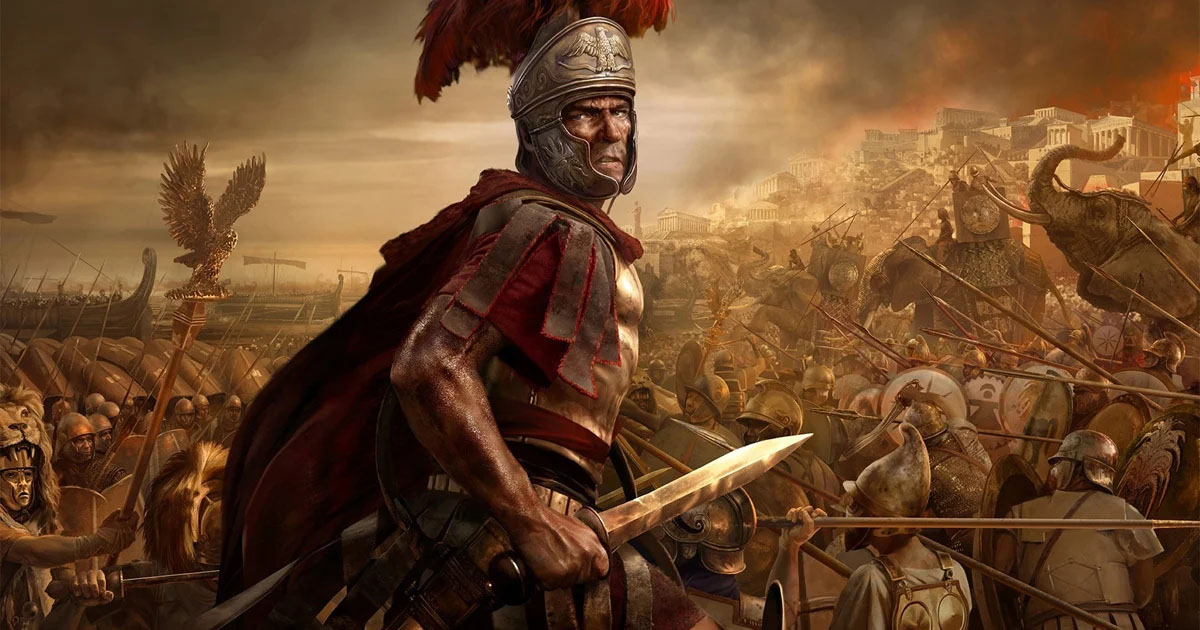
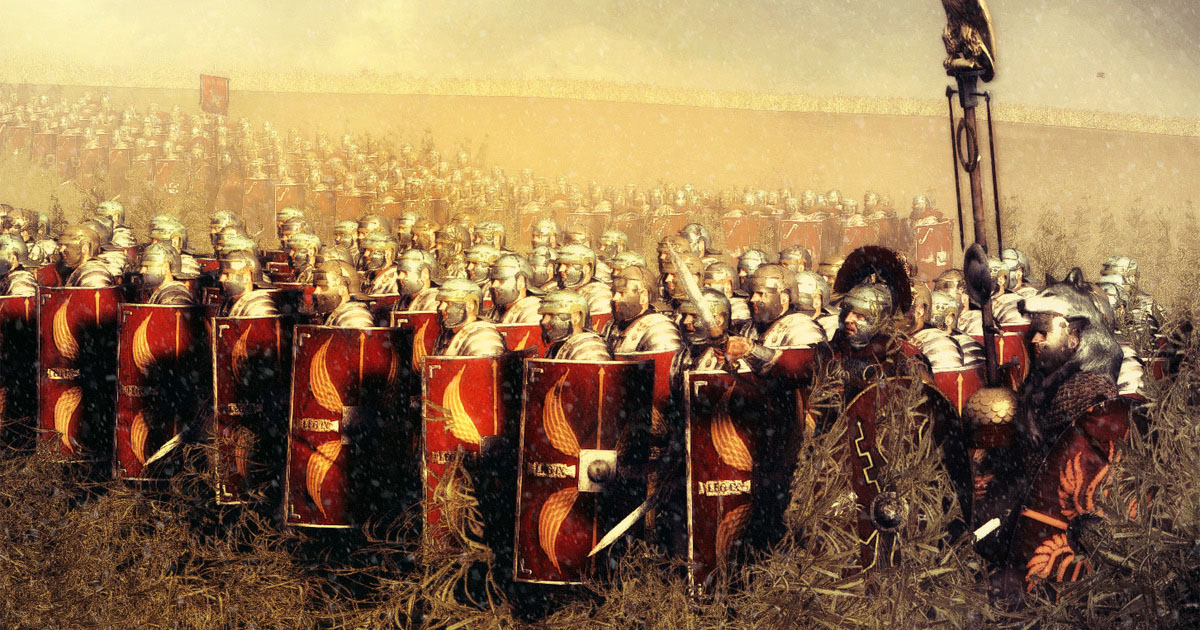
When we think of ancient civilizations that fundamentally shaped the modern world, the Roman Empire instantly comes to mind. Spanning three continents and lasting for over a millennium, ancient Rome was a powerhouse of military might, groundbreaking engineering, and cultural brilliance. From the gladiatorial combats in the Colosseum to the intricate legal systems that still influence modern law today, the history of the Roman Empire is a thrilling tale of ambition, triumph, and eventual collapse.
Whether you are a history enthusiast or simply curious about the roots of Western civilization, understanding the Roman Empire is essential. Let’s dive into the fascinating journey of how a small city-state on the Italian peninsula conquered the known world.
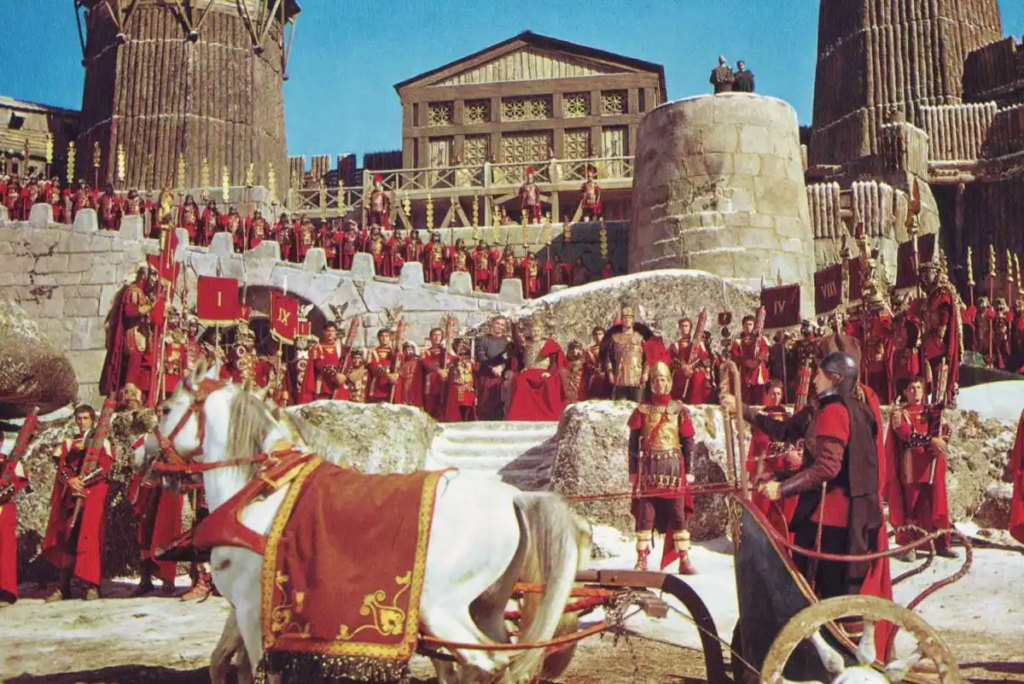
From Republic to Empire: The Dawn of a New Era
To understand the Roman Empire, we must first look at its predecessor: the Roman Republic. Founded in 509 BCE, the Republic was governed by elected officials and a complex Senate. For centuries, this system worked remarkably well, allowing Rome to expand its territory across the Mediterranean. However, as Rome grew richer and more powerful, political corruption, wealth inequality, and fierce civil wars began to tear the Republic apart.
The turning point came with the rise of Julius Caesar. A brilliant military general and charismatic politician, Caesar crossed the Rubicon river, defeated his rivals, and declared himself “dictator for life.” His assassination in 44 BCE plunged Rome into yet another bloody civil war.
Out of this chaos emerged Caesar’s adopted heir, Octavian. In 27 BCE, Octavian defeated his final rivals—Mark Antony and Cleopatra—and was granted the title of Augustus. This momentous event marked the definitive end of the Roman Republic and the birth of the Roman Empire, with Augustus ruling as its first true emperor.
The Pax Romana: A Golden Age of Peace and Prosperity
With Augustus at the helm, the Roman Empire entered a 200-year period of unprecedented stability known as the Pax Romana (Roman Peace). During this era, the empire reached its peak in terms of landmass, economic prosperity, and cultural development.
The military secured the borders, allowing trade to flourish across Europe, North Africa, and the Middle East. The Romans were also master builders. This period saw the construction of a vast network of paved highways—giving rise to the famous saying, “All roads lead to Rome.”
Furthermore, engineers developed sophisticated aqueducts that delivered fresh running water to bustling cities, vastly improving public health and sanitation. The Pax Romana proved that the Roman Empire was not just a military juggernaut, but an advanced civilization capable of immense innovation.
Cultural and Architectural Marvels of Ancient Rome
You cannot discuss Roman history without marveling at its architectural and cultural achievements. The Romans perfected the use of concrete, allowing them to build monumental structures that have withstood the test of time.
- The Colosseum: An iconic symbol of imperial power, this massive amphitheater could hold up to 50,000 eager spectators who gathered to watch gladiators, wild animal hunts, and even mock naval battles.
- The Pantheon: Featuring the world’s largest unreinforced concrete dome, the Pantheon remains an architectural masterpiece and a testament to Roman engineering genius.
- Language and Literature: Latin, the official language of the empire, became the foundation for the Romance languages we know today, including Spanish, French, Italian, and Portuguese. Roman poets like Virgil and Ovid produced literary masterpieces that are still studied in modern universities.
The Decline and Fall of the Roman Empire
Despite its overwhelming power, the Roman Empire was not invincible. By the 3rd century CE, the empire began to show severe signs of decay. Historians attribute the fall of Rome to a complex combination of internal struggles and external pressures:
- Economic Crisis: The empire suffered from severe inflation, heavy taxation, and an overreliance on slave labor, which stifled technological advancement and crushed the lower classes.
- Political Instability: The sheer size of the empire made it nearly impossible to govern from a single capital. Furthermore, a constant string of assassinations and short-lived emperors led to massive internal instability.
- The Division of the Empire: In 285 CE, Emperor Diocletian realized the empire was too large to manage and split it into two halves: the Western Roman Empire (centered in Rome) and the Eastern Roman Empire (later known as the Byzantine Empire, centered in Constantinople).
- Barbarian Invasions: The weakened Western Empire faced relentless pressure from Germanic tribes, including the Visigoths, Vandals, and Huns.
Finally, in 476 CE, the Germanic king Odoacer deposed the last Western Roman Emperor, Romulus Augustulus. This event traditionally marks the official fall of the Western Roman Empire and the beginning of the Middle Ages in Europe.
The Enduring Legacy of Ancient Rome
While the Western Roman Empire collapsed over 1,500 years ago, its legacy is still very much alive. The Eastern half, the Byzantine Empire, continued to thrive for another thousand years until 1453.
More importantly, the cultural DNA of ancient Rome is deeply embedded in modern Western society. Our legal systems are heavily based on Roman law principles, such as the concept of “innocent until proven guilty.” Representative government, modern city planning, and classical architecture all draw direct inspiration from Roman models.
The story of the Roman Empire serves as both an inspiration and a cautionary tale. It shows us the heights of human achievement, the incredible power of organized infrastructure, and the devastating consequences of political corruption and over-expansion. The mighty Roman Empire may have fallen, but its colossal impact on world history will never be forgotten.