For over two centuries, the First Persian Empire—also known as the Achaemenid Empire—was the undisputed superpower of the ancient world. Founded by Cyrus the Great in 550 BCE, it stretched from the Indus Valley in the east to the Balkan Peninsula in the west. It was a marvel of ancient administration, renowned for its cultural tolerance, monumental architecture, and the legendary Royal Road.
Yet, like all great superpowers in human history, it eventually met its demise. The fall of the First Persian Empire wasn’t just the result of a single catastrophic battle; it was a complex unraveling caused by decades of internal decay, political instability, and ultimately, the relentless military genius of a young Macedonian king: Alexander the Great.
Here is the complete story of how the mighty Achaemenid Dynasty came to an end.
The Zenith Before the Fall
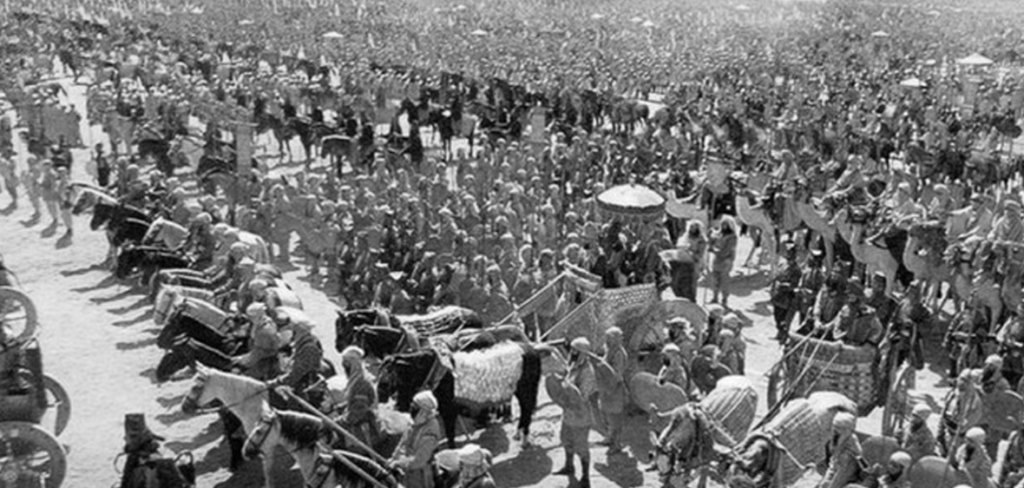
To understand the magnitude of the empire’s collapse, we must first understand its peak. At its height, the First Persian Empire ruled over an estimated 44% of the world’s population. It boasted a highly organized system of government, divided into provinces ruled by local governors known as satraps.
This decentralized system worked perfectly under strong kings like Darius the Great. However, as the centuries passed, this very system planted the seeds of the empire’s destruction.
Cracks in the Foundation: Internal Strife and Decay
Long before Alexander the Great crossed the Hellespont, the Achaemenid Empire was bleeding internally. The 4th century BCE was marked by severe structural issues that weakened the throne’s absolute authority.
- The Power of the Satraps: Over time, the provincial governors amassed immense personal wealth and private armies. They frequently rebelled against the central authority in Persepolis, culminating in the Great Satraps’ Revolt (366–360 BCE). Even though the crown eventually quelled the uprising, it exposed the empire’s fragility.
- Succession Crises and Assassinations: The Persian royal court became a dangerous web of political intrigue. Kings were frequently assassinated by ambitious eunuchs and rival family members. For example, the capable king Artaxerxes III was poisoned by his own vizier, Bagoas, who then placed a series of puppet kings on the throne before Darius III finally took control.
- Economic Strain: Constant rebellions in wealthy provinces like Egypt and Babylon drained the royal treasury. The empire was forced to heavily tax its loyal citizens, leading to widespread economic dissatisfaction.
The Spark: The Greco-Persian Wars
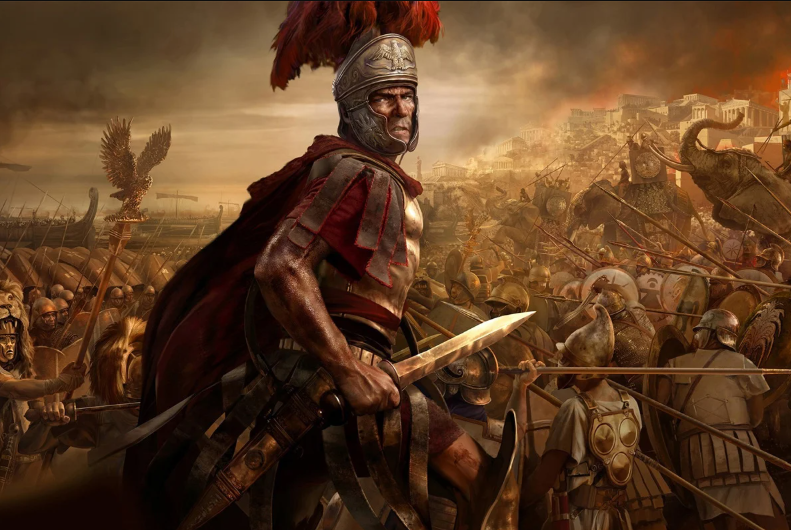
The animosity between the Greeks and the Persians laid the historical groundwork for the empire’s ultimate fall. During the 5th century BCE, Persian kings Darius I and Xerxes I launched massive invasions into Greece to expand their western borders.
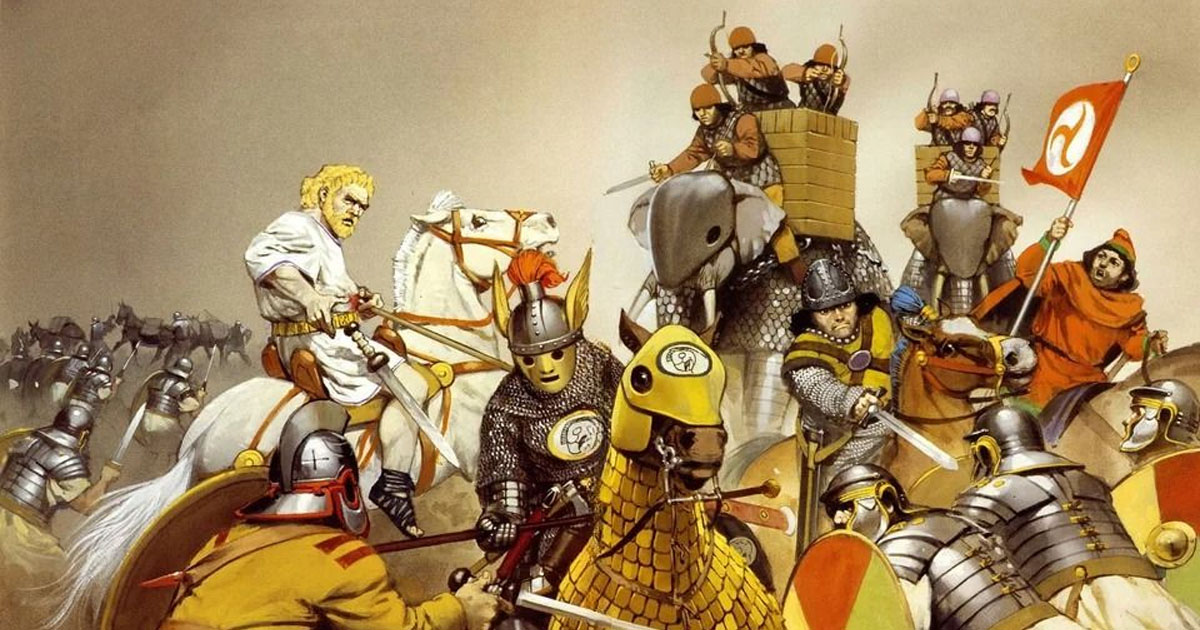
Despite bringing overwhelming numbers, the Persians suffered humiliating defeats at legendary battles like Marathon, Salamis, and Plataea. These early Greco-Persian Wars did not destroy the Achaemenid Empire, but they shattered the myth of Persian invincibility. It proved to the Greek world that heavily armored hoplite infantry could outmatch the lightly armored Persian forces in close-quarters combat—a tactical lesson Alexander the Great would later weaponize.
Enter Alexander the Great: The Final Blow
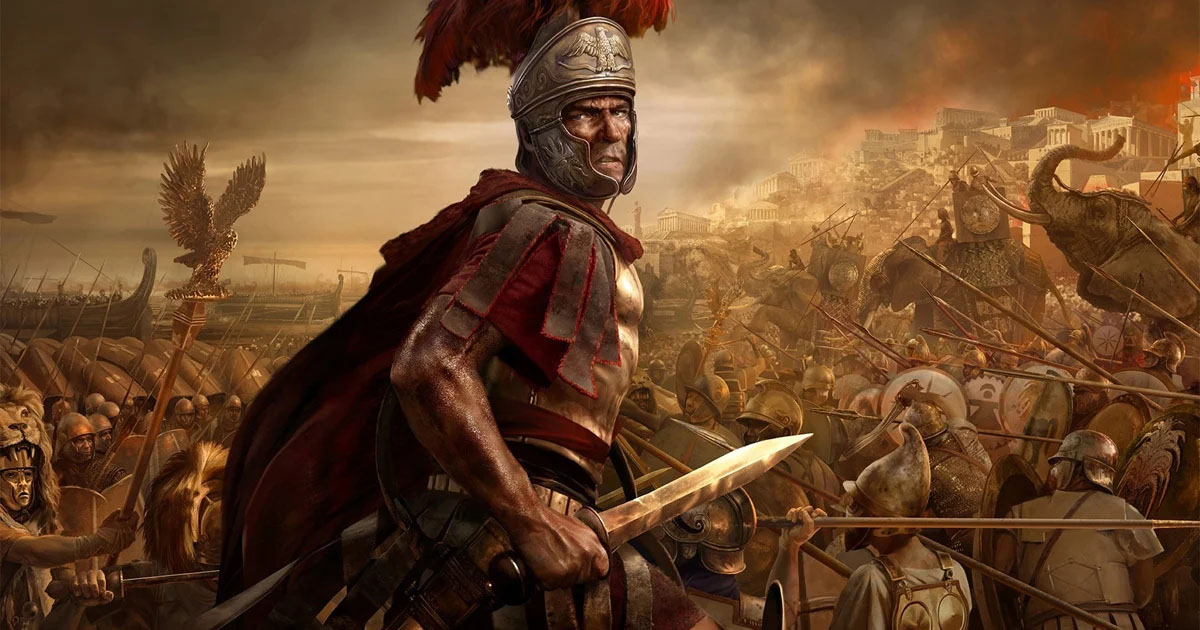
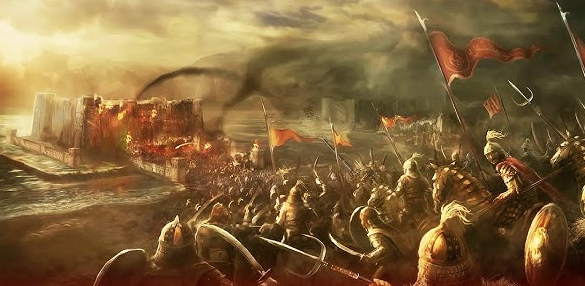
In 334 BCE, a 22-year-old Macedonian king named Alexander crossed into Asia Minor (modern-day Turkey) with a highly disciplined army of roughly 40,000 men. Seeking revenge for the Persian invasions of Greece a century and a half earlier, he systematically dismantled the world’s largest empire in less than a decade.
The fall of the First Persian Empire was sealed through three decisive military encounters:
1. The Battle of the Granicus River (334 BCE)
In their first major clash, Alexander faced a coalition of Persian satraps at the Granicus River. The Macedonian use of the deeply packed infantry phalanx, combined with the devastating charge of the Companion Cavalry, overwhelmed the Persian defenders. This victory opened the gates to Asia Minor.
2. The Battle of Issus (333 BCE)
King Darius III personally led a massive royal army to crush the invaders at Issus. Despite being heavily outnumbered, Alexander utilized the narrow battlefield to neutralize the Persian numerical advantage. When Alexander’s cavalry broke through the lines and charged directly at Darius, the Persian King panicked and fled the battlefield, causing his army to collapse.
3. The Battle of Gaugamela (331 BCE)
This was the definitive end of the Achaemenid military machine. Darius assembled a colossal army, leveling the battlefield to favor his scythed chariots. However, Alexander’s tactical brilliance shone through again. By drawing the Persian flanks outward, he created a gap in their center, charging straight for Darius once more. Darius fled again, abandoning his empire to the conqueror.
The Death of Darius III and the Burning of Persepolis
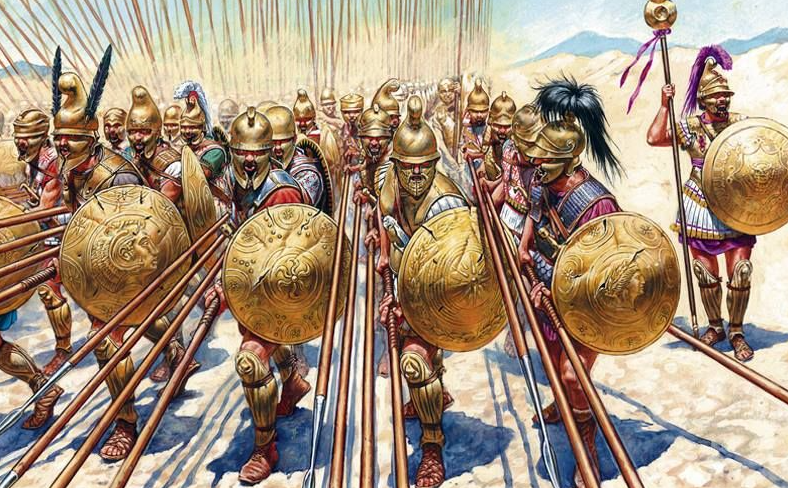
Following the disaster at Gaugamela, the First Persian Empire essentially ceased to exist as a unified state. Alexander captured the legendary Persian capital cities of Babylon, Susa, and finally, Persepolis. In 330 BCE, a fire destroyed the great palace at Persepolis—a highly symbolic event marking the definitive end of Achaemenid supremacy.
Darius III, now a fugitive in his own lands, was betrayed and murdered by Bessus, one of his own satraps. Alexander, respecting the divine right of kings, gave his fallen rival a royal burial and subsequently hunted down Bessus, officially claiming the title of King of Persia for himself.
The Legacy of the Achaemenid Empire
While the political entity of the First Persian Empire was destroyed, its cultural and administrative legacy survived. Alexander the Great deeply admired Persian culture, adopting their customs, dress, and administrative systems. He even married a Persian noblewoman, Roxana, attempting to fuse Greek and Persian cultures.
Following Alexander’s death, his vast conquests were divided, leading to the Hellenistic period and the rise of the Seleucid Empire in the region.
Ultimately, the fall of the First Persian Empire is a classic historical lesson. Even an empire that spans three continents and boasts unimaginable wealth cannot survive indefinitely when plagued by internal corruption, political instability, and the sudden arrival of a visionary military genius.