
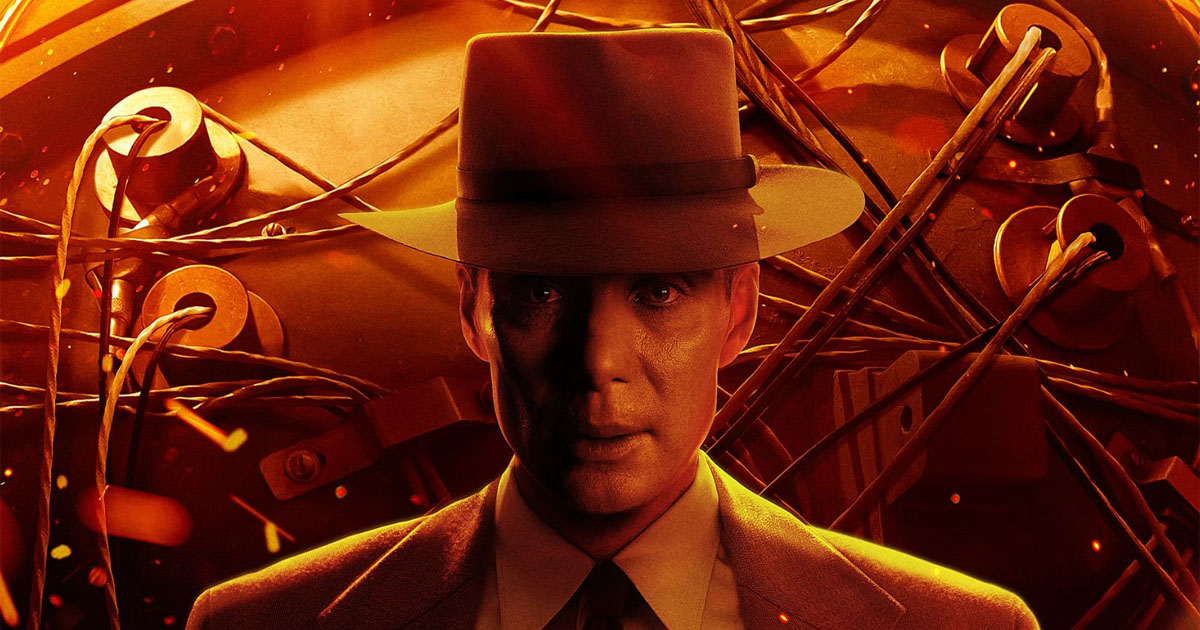
When Christopher Nolan announces a new project, the cinematic world pays attention. However, with the release of Oppenheimer, the visionary director didn’t just deliver another summer blockbuster; he crafted a definitive modern cinematic masterpiece. Whether you are a history buff, a dedicated cinephile, or just someone looking for a profound theater experience, this film demands your attention.
In this spoiler-free review and overview, we will dive into what makes the Oppenheimer movie an unparalleled achievement in modern filmmaking, exploring its all-star cast, groundbreaking practical effects, and deep psychological storytelling—all without ruining a single surprise.
The Vision of Christopher Nolan
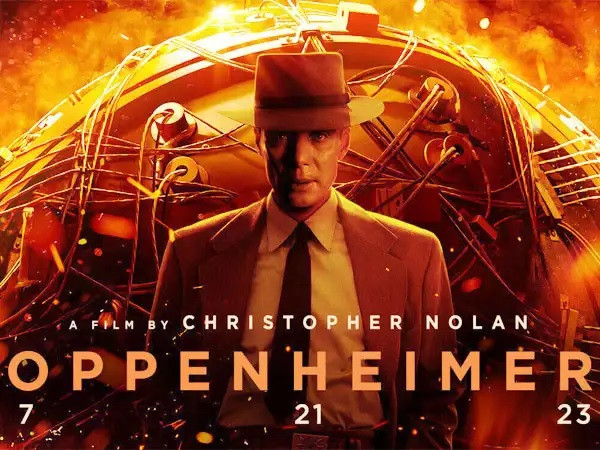
Christopher Nolan is widely celebrated for his mind-bending narratives in films like Inception, Interstellar, and The Dark Knight trilogy. With Oppenheimer, he pivots to historical biography, but applies the same massive scale and gripping tension that fans have come to expect.
Instead of treating the story as a dry history lesson, Nolan frames the life of J. Robert Oppenheimer as a high-stakes psychological thriller. The pacing is relentless, seamlessly weaving between different timelines to build a comprehensive portrait of a genius grappling with the moral weight of his own creation. By shooting entirely on large-format IMAX cameras, Nolan ensures that the audience feels the claustrophobic anxiety of Oppenheimer’s mind just as intensely as the awe-inspiring expanses of the New Mexico desert.
A Star-Studded, Tour-de-Force Cast
A massive film requires a massive cast, and the Oppenheimer cast list reads like a veritable who’s-who of Hollywood elite. The performances anchor the heavy scientific and political jargon, making the film incredibly human and accessible.
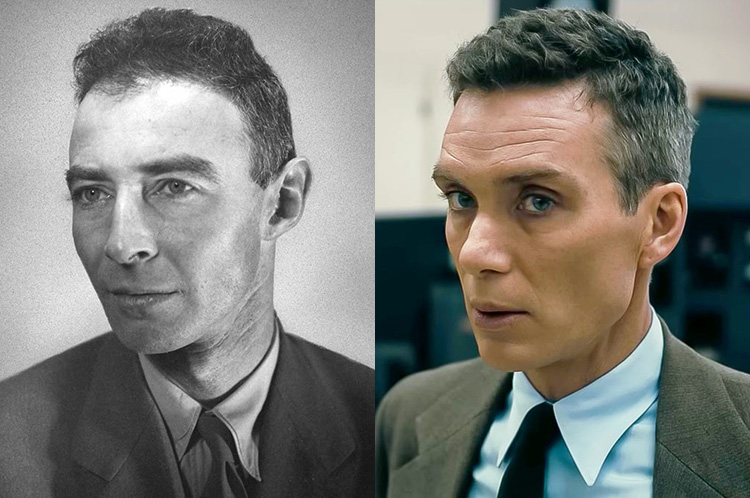
- Cillian Murphy as J. Robert Oppenheimer: In a career-defining leading role, Murphy is nothing short of haunting. He captures the physicist’s brilliant arrogance and devastating vulnerability perfectly. His expressive, hollowed eyes do as much heavy lifting as the incredible script.
- Robert Downey Jr. as Lewis Strauss: Stepping away from his iconic Marvel armor, Downey Jr. delivers one of the most compelling and nuanced performances of his career. As the complex and politically savvy Strauss, he acts as the perfect counterbalance to Murphy’s Oppenheimer.
- Emily Blunt as Kitty Oppenheimer: Blunt brings a fierce, fiery energy to the role of Oppenheimer’s wife. She provides a deeply necessary emotional anchor to the film, portraying a woman who is both fiercely loyal and agonizingly flawed.
- Matt Damon as Gen. Leslie Groves: Damon provides a touch of grounding realism—and occasional dark humor—as the military director of the Manhattan Project, driving the practical side of the bomb’s development.
The supporting cast is equally breathtaking, featuring heavyweights like Florence Pugh, Kenneth Branagh, Rami Malek, and Gary Oldman, all of whom leave a lasting impact despite their limited screen time.

The Man, The Myth, and The Manhattan Project
Without venturing into spoiler territory, it is essential to understand the backdrop of the film. The movie centers around the infamous Manhattan Project, the top-secret US government research initiative during World War II tasked with developing the world’s first atomic bomb.
At the center of this monumental effort is J. Robert Oppenheimer. The film explores the agonizing paradox of his life: he must risk destroying the world in order to save it. We watch as he attempts to manage the greatest scientific minds of a generation while navigating shifting political landscapes, military demands, and his own complex personal life. The movie brilliantly forces the audience to sit with the incredibly uncomfortable ethical dilemmas that these real-life historical figures faced, making for an incredibly thought-provoking watch.
Technical Brilliance: Sight and Sound
You cannot talk about the Oppenheimer movie without praising its technical achievements. Nolan is famous for his dedication to practical effects, and he famously recreated the visual of an atomic explosion (the Trinity Test) without the use of CGI. The result is visceral, terrifying, and awe-inspiring.
Furthermore, the sound design and original score elevate the movie to a completely different level. Composer Ludwig Göransson (Black Panther, The Mandalorian) crafted a sweeping, pulsating, and anxiety-inducing score that acts as the heartbeat of the film. The strategic use of dead silence, juxtaposed with overwhelming, theater-shaking sound, creates an immersive sensory experience that perfectly mirrors the protagonist’s internal turmoil.

Why You Need to Watch Oppenheimer
In an era of cinema often dominated by repetitive franchises, Christopher Nolan’s Oppenheimer stands out as a bold, uncompromising piece of art. It is a grueling, magnificent three-hour epic that respects the intelligence of its audience.
It does not spoon-feed moral answers or paint its characters in simple shades of black and white. Instead, it presents a meticulously crafted window into one of the most pivotal moments in human history, leaving you breathless and deep in thought long after the credits roll.
If you haven’t yet experienced this cinematic triumph, do yourself a favor: find the biggest screen possible, turn off your phone, and prepare to be fully immersed in the brilliant, terrifying world of J. Robert Oppenheimer.