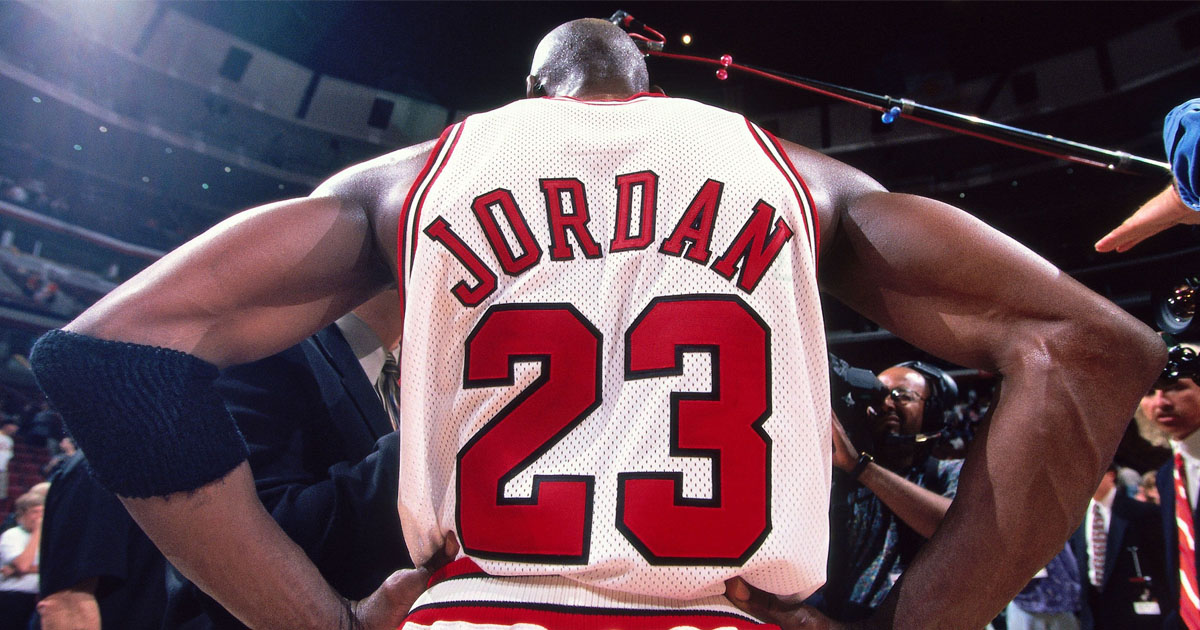
When discussing the greatest basketball players in history, one name universally stands above the rest: Michael Jordan. Widely regarded as the G.O.A.T. (Greatest of All Time), Jordan didn’t just play basketball; he revolutionized the sport and transformed the NBA into a global phenomenon. From his gravity-defying dunks to his unmatched competitive drive, Michael Jordan’s impact on sports, fashion, and pop culture is undeniable.
Whether you are a lifelong hoops fan or new to the sport, understanding Jordan’s journey is essential to understanding modern basketball. In this article, we explore the life, career, and enduring legacy of the ultimate basketball legend.
Early Life and the Making of a Champion
Born on February 17, 1963, in Brooklyn, New York, and raised in Wilmington, North Carolina, Michael Jeffrey Jordan developed his legendary work ethic early on. Famously, he was cut from his high school varsity basketball team as a sophomore. Instead of giving up, he used the setback as relentless fuel, ultimately earning a scholarship to the University of North Carolina (UNC) at Chapel Hill.
Under the guidance of legendary head coach Dean Smith, Jordan’s star began to rise. The defining moment of his college career came during the 1982 NCAA Championship game. As a freshman, Jordan hit the game-winning jumper to secure the national title for the Tar Heels. He would later cite this clutch shot as the major turning point in his basketball career, serving as a preview of the greatness that awaited him in the professional ranks.
The Chicago Bulls Dynasty and NBA Dominance
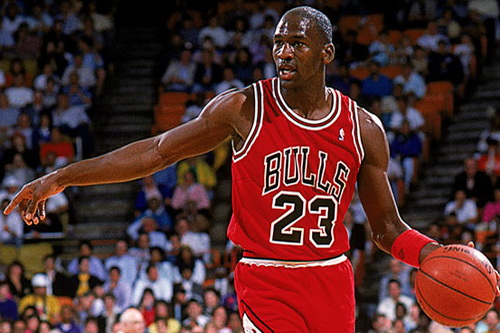
Drafted third overall by the Chicago Bulls in the 1984 NBA Draft, Jordan made an immediate and explosive impact. He comfortably won the NBA Rookie of the Year award and quickly became a fan favorite thanks to his electrifying scoring ability and high-flying acrobatics—earning him the iconic nicknames “Air Jordan” and “His Airness.”
However, individual brilliance wasn’t enough; Jordan craved championships. Teaming up with Hall of Famer Scottie Pippen and visionary head coach Phil Jackson, Jordan led the Chicago Bulls to an unprecedented level of dominance in the 1990s. The Bulls captured six NBA Championships, famously split into two separate “three-peats” (1991-1993 and 1996-1998).
Jordan’s resume during this era is staggering:
- 6× NBA Champion (Going a perfect 6-0 in the NBA Finals)
- 6× NBA Finals MVP
- 5× NBA Most Valuable Player (MVP)
- 10× NBA Scoring Champion
- 14× NBA All-Star
- 9× NBA All-Defensive First Team
His fierce competitiveness, lockdown defense, and ability to perform under the brightest lights made him virtually unstoppable. Whether it was the iconic “Flu Game” in 1997 or his dramatic, series-clinching final shot against the Utah Jazz in 1998, Jordan consistently delivered when it mattered most.
The Brief Baseball Interlude
Adding to the mystique of his legacy was his shocking retirement in 1993 at the peak of his powers. Following the tragic murder of his father, Jordan left the NBA to pursue a career in professional baseball, playing for the Birmingham Barons, a Double-A affiliate of the Chicago White Sox. Though his baseball career was brief, his triumphant return to the NBA in 1995—announced with a simple, two-word press release: “I’m back”—set the stage for his second legendary three-peat with the Bulls.
The “Air Jordan” Phenomenon and Business Empire
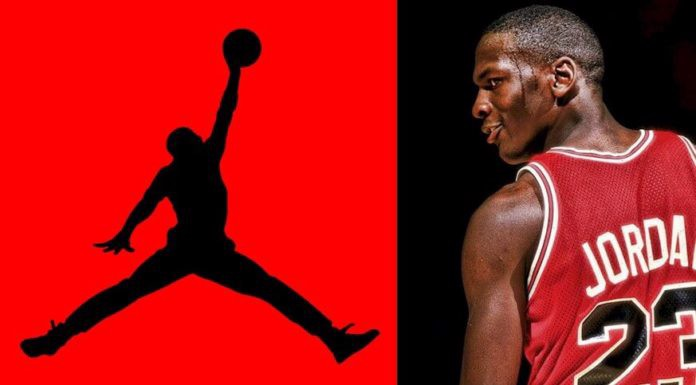
Michael Jordan’s influence extended far beyond the hardwood. In 1984, he signed a groundbreaking sneaker deal with Nike, launching the Air Jordan line. At the time, the NBA had strict uniform rules, and the league famously fined Jordan for wearing his black and red sneakers. This rebellious marketing birthed a cultural movement.
Today, the Jordan Brand remains a multi-billion-dollar subsidiary of Nike, completely dominating the sneaker, streetwear, and athletic apparel industries. It is arguably the most successful athlete-endorsed brand in history.
Furthermore, Jordan’s transition from player to executive solidified his status as a sports business mogul. In 2010, he became the first former player to become a majority owner of an NBA franchise when he purchased the Charlotte Bobcats (now the Charlotte Hornets). Although he sold his majority stake in 2023, his tenure cemented his legacy in the business of basketball.
Why Michael Jordan is the G.O.A.T.
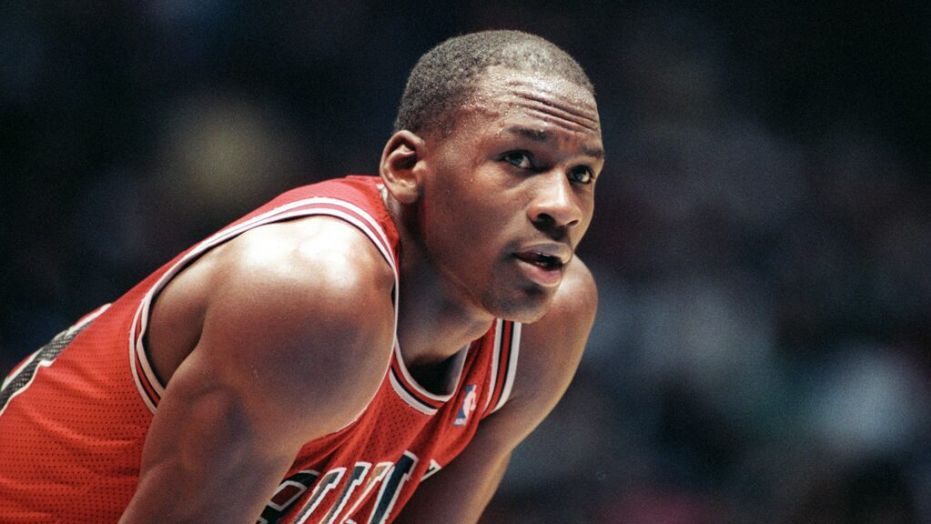
Decades after his final retirement (following a brief stint with the Washington Wizards in the early 2000s), Michael Jordan’s shadow still looms large over the NBA. Every modern superstar—most notably LeBron James and Kobe Bryant—is inevitably compared to him. Yet, for the vast majority of sports analysts, players, and fans, Jordan’s combination of a perfect Finals record, sheer scoring dominance, and global cultural impact remains unmatched.
The 2020 Emmy-winning documentary series The Last Dance introduced his legendary competitiveness to an entirely new generation, proving that his story and winning mentality resonate just as powerfully today as they did during his prime.
Conclusion
Michael Jordan is more than just a spectacular athlete; he is a global icon of excellence, dedication, and perseverance. From the courts of North Carolina to the pinnacle of the NBA and the heights of the corporate business world, His Airness truly changed the game forever. His legacy continues to inspire millions worldwide to “Be Like Mike” and push the boundaries of their own potential.