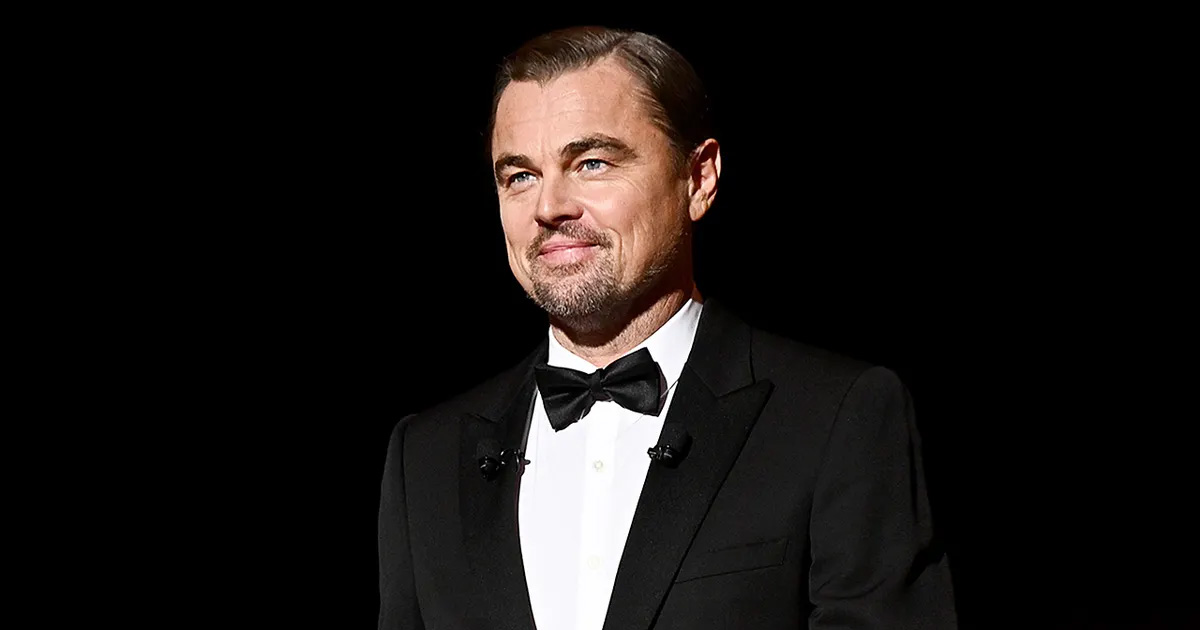
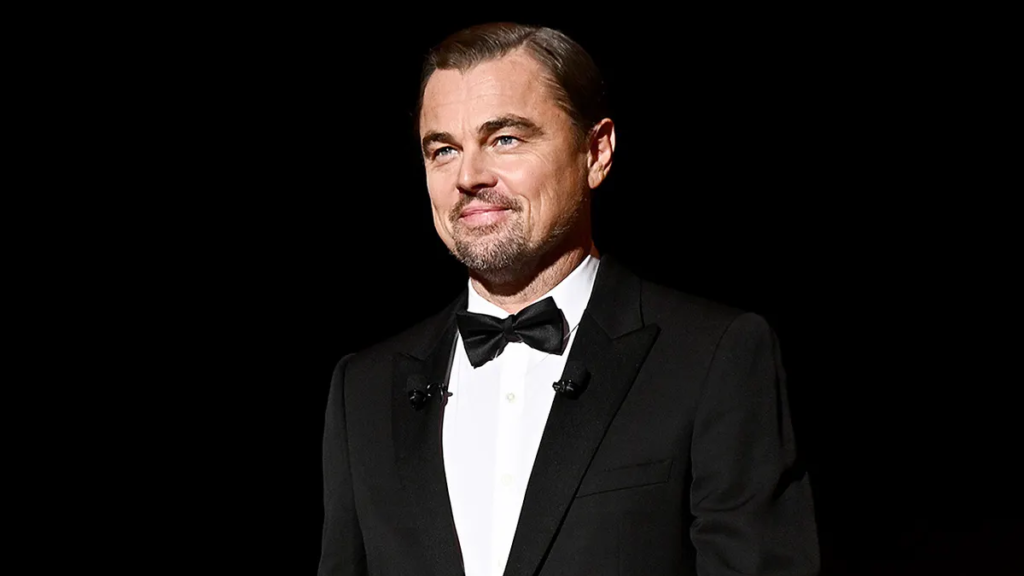
Few actors have captured the global imagination quite like Leonardo DiCaprio. From his early days as a 1990s teen heartthrob to his current standing as one of the most respected, critically acclaimed actors of his generation, DiCaprio’s trajectory is a masterclass in talent, deliberate career choices, and relentless dedication. Beyond the silver screen, he has also cemented his legacy as a fierce champion for environmental conservation.
Whether you know him as the ill-fated Jack Dawson, the relentless Hugh Glass, or a United Nations Messenger of Peace, Leonardo DiCaprio’s impact on both Hollywood and the world is undeniable.
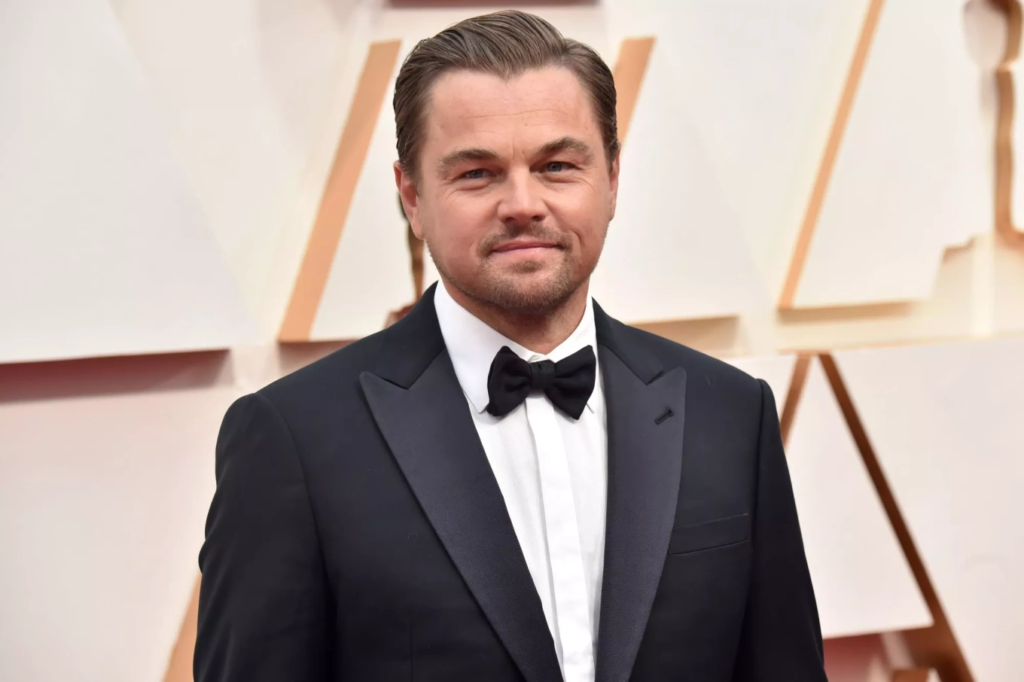
Early Life and the Making of a Star
Born on November 11, 1974, in Los Angeles, California, Leonardo Wilhelm DiCaprio was seemingly destined for the arts. Named after the legendary Leonardo da Vinci—because he reportedly kicked in his mother’s womb while she was admiring a da Vinci painting in Italy—DiCaprio began his acting career at a young age.
He started with television commercials and educational films before landing roles in television series like Growing Pains. However, it was his transition to the big screen that truly showcased his raw potential. In 1993, he starred alongside Robert De Niro in This Boy’s Life, but his true breakthrough came later that same year with What’s Eating Gilbert Grape. Playing Arnie Grape, a teenager with an intellectual disability, a 19-year-old DiCaprio earned his first Academy Award nomination for Best Supporting Actor. He instantly proved he was not just another child star, but a formidable dramatic talent.
The Titanic Phenomenon
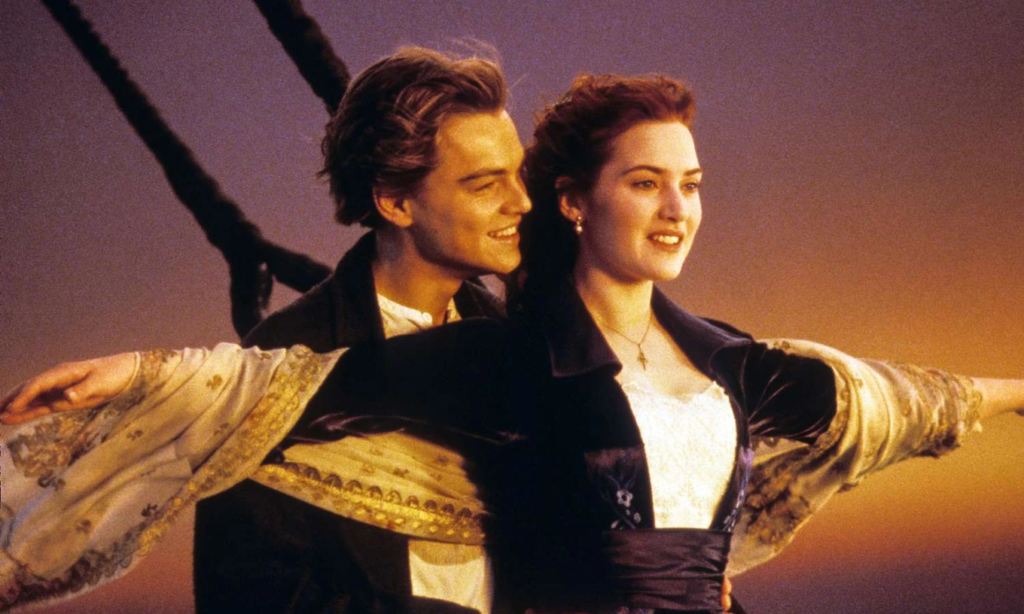
While DiCaprio had already established himself as a darling of independent cinema with films like The Basketball Diaries and Romeo + Juliet, 1997 brought a seismic shift in his career. James Cameron’s epic romance, Titanic, became a global cultural phenomenon.
Starring opposite Kate Winslet, DiCaprio played the charming, free-spirited artist Jack Dawson. Titanic shattered box office records to become the highest-grossing film of all time (a title it held for over a decade). The unparalleled success of the movie catapulted him into the stratosphere of international superstardom, creating a frenzy aptly dubbed “Leo-mania.”
Yet, rather than cashing in on his newfound status by starring in formulaic romantic comedies or generic action blockbusters, DiCaprio took a different route. He used his immense star power to greenlight complex, challenging projects.
A Legacy of Critically Acclaimed Performances
The 2000s and 2010s saw DiCaprio collaborate with some of the most visionary directors in the industry, most notably Martin Scorsese. Their legendary partnership has produced cinematic masterpieces that allowed DiCaprio to stretch his boundaries:
- The Aviator (2004): His portrayal of the eccentric, OCD-afflicted billionaire Howard Hughes earned him his first Best Actor Oscar nomination.
- The Departed (2006): He delivered a gritty, tension-filled performance as an undercover cop in the Boston mob.
- The Wolf of Wall Street (2013): DiCaprio showcased his incredible comedic timing and chaotic energy as the corrupt stockbroker Jordan Belfort.
Beyond Scorsese, he has delivered unforgettable performances in Christopher Nolan’s mind-bending sci-fi thriller Inception (2010) and Quentin Tarantino’s explosive Django Unchained (2012) and Once Upon a Time in Hollywood (2019). His ability to seamlessly inhabit morally ambiguous, highly intense characters has become his cinematic trademark.
Finally Taking Home the Oscar: The Revenant
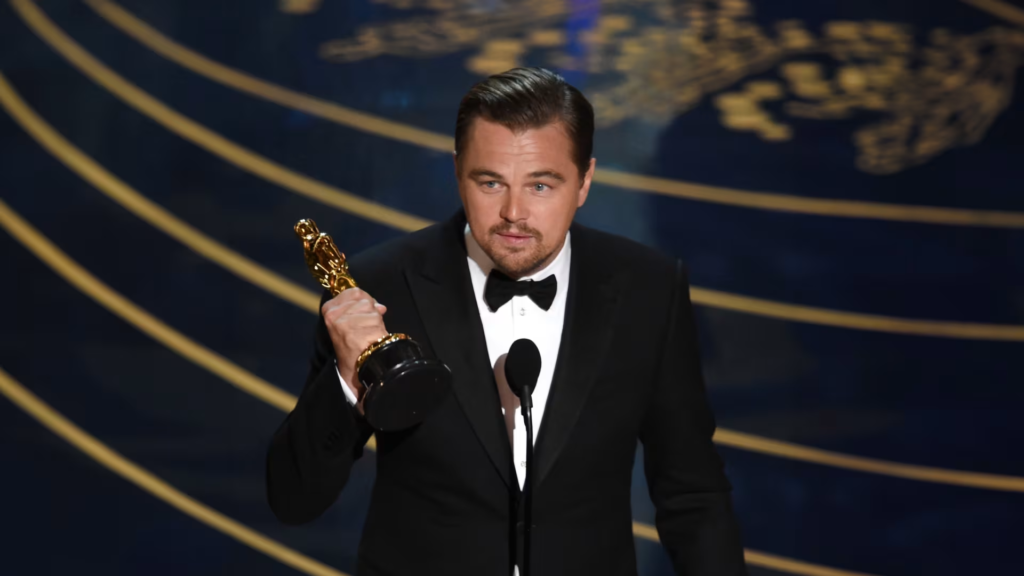
For years, a popular internet meme highlighted DiCaprio’s lack of an Academy Award despite a career filled with Oscar-worthy performances. That narrative finally ended in 2016.
Directed by Alejandro G. Iñárritu, The Revenant (2015) pushed DiCaprio to his absolute physical and mental limits. Playing the 19th-century frontiersman Hugh Glass, he endured freezing temperatures, waded into icy rivers, and even ate raw bison liver on camera. His visceral, agonizingly real performance won him the long-overdue Academy Award for Best Actor, cementing his status among Hollywood’s all-time greats.
Champion for the Earth: Environmental Activism
What sets DiCaprio apart from many of his Hollywood peers is his unwavering dedication to saving the planet. In 1998, at the age of 24, he established the Leonardo DiCaprio Foundation, an organization committed to protecting the world’s last wild places and implementing solutions to build a more harmonious relationship between humanity and the natural world.
He serves on the boards of several environmental protection organizations, including the World Wildlife Fund (WWF) and the Natural Resources Defense Council (NRDC). He has produced and narrated several powerful climate change documentaries, such as The 11th Hour and Before the Flood. Famously, he used his 2016 Oscar acceptance speech not just to thank his colleagues, but to broadcast an urgent plea to billions of viewers: “Climate change is real, it is happening right now. It is the most urgent threat facing our entire species, and we need to work collectively together and stop procrastinating.”
Conclusion
Leonardo DiCaprio has successfully navigated the treacherous waters of Hollywood, evolving from a commercially successful teen idol into a powerhouse actor and producer with an unmatched resume. Through his production company, Appian Way Productions, and his meticulous choice of roles—such as his recent turn in Killers of the Flower Moon—he continues to shape the landscape of modern cinema.
Simultaneously, his relentless environmental advocacy proves that his influence extends far beyond the silver screen. Leonardo DiCaprio is not just a leading man; he is a generational talent who uses his voice and platform to fight for the future of our planet.