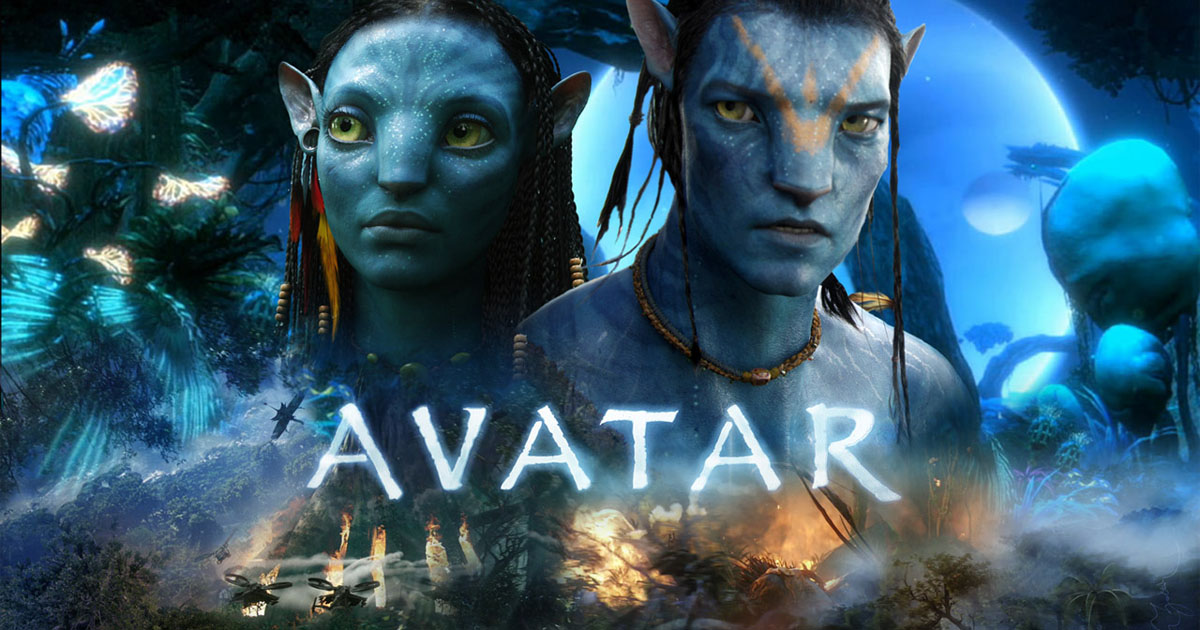
When James Cameron first introduced audiences to the lush, bioluminescent world of Pandora in 2009, it changed the cinematic landscape forever. After returning to the world of the Na’vi with the aquatic masterpiece Avatar: The Way of Water, the franchise has continued its epic sci-fi saga with the highly anticipated third installment, officially titled Avatar: Fire and Ash.
If you are gearing up to watch Avatar 3 and want to know what to expect without ruining the magic, you are in the right place. This comprehensive, spoiler-free guide will introduce you to the newest corners of Pandora, the thematic shifts in the story, and why this blockbuster is an absolute must-watch for moviegoers everywhere.
The Elements of Change: From Water to Fire
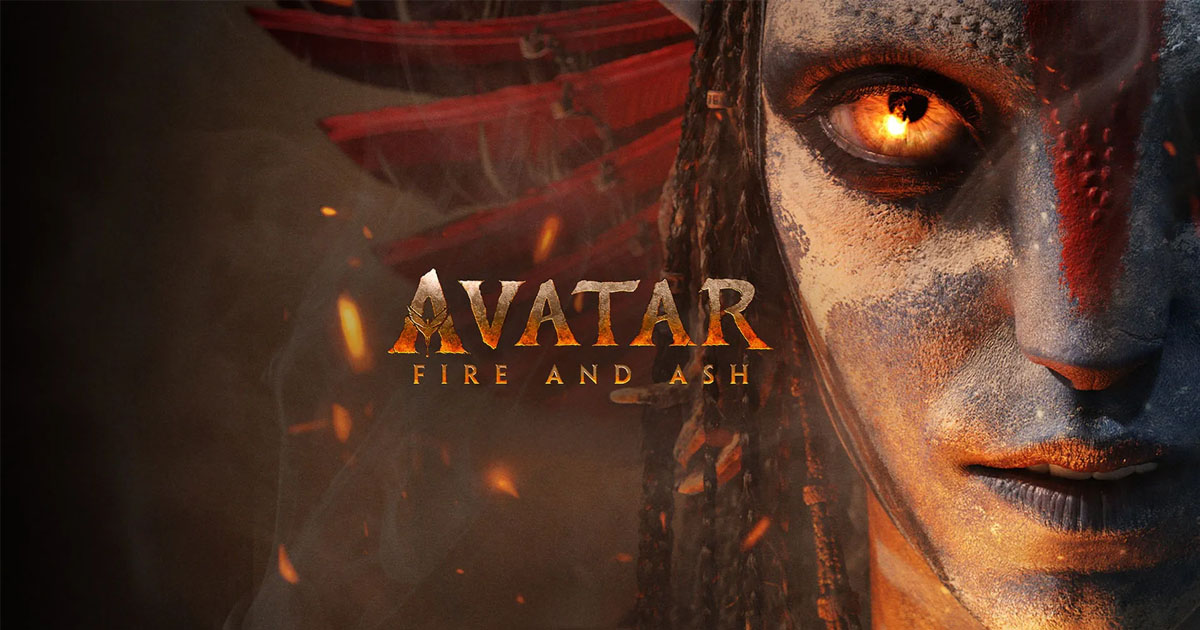
The Avatar franchise has always been deeply rooted in the natural elements. While the first film grounded us in the dense, towering forests of the Omatikaya clan, the second film plunged us into the depths of Pandora’s oceans alongside the Metkayina clan. Avatar: Fire and Ash completely shifts the elemental focus, moving away from the calming, life-giving nature of water to the volatile, destructive, and transformative power of fire.
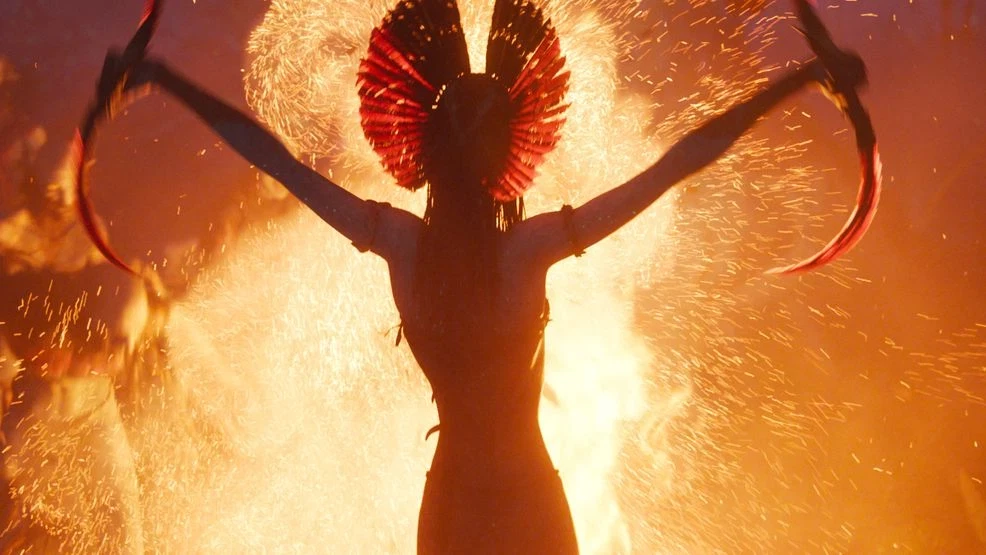
As the title suggests, this film introduces audiences to a harsh, volcanic region of Pandora. The visual aesthetic takes a dramatic turn from the soothing bioluminescent blues and greens we are accustomed to, replacing them with stark reds, glowing oranges, and the gray soot of volcanic ash. This shift isn’t just about giving the visual effects team a new playground—though the fiery landscapes are incredibly rendered—it serves as a direct mirror to the turbulent emotional state of the characters following the intense events of The Way of Water.
Introducing the “Ash People”
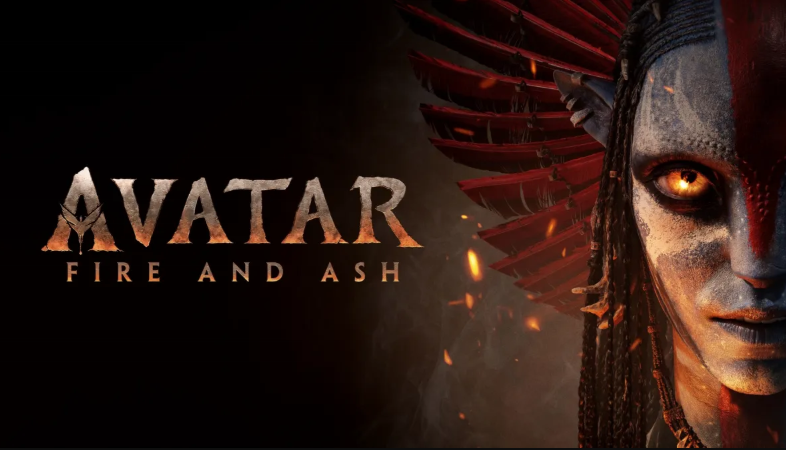
One of the most exciting aspects of Avatar 3 is the introduction of a brand-new Na’vi culture: the Ash People. Until now, the franchise has painted a relatively clear dichotomy. The Na’vi have been depicted as inherently peaceful, deeply connected to the planetary network of Eywa, and fiercely protective of their home. On the flip side, the human militaristic corporation, the RDA, has served as the primary antagonist, driven by greed and ecological destruction.
In Avatar: Fire and Ash, Cameron boldly blurs those moral lines. The Ash People are a nomadic, aggressive, and deeply hardened clan who have adapted to survive in Pandora’s most unforgiving environments. Without giving away any plot details, it is safe to say that this clan shows a completely different side of the Na’vi—one that is shaped by anger, survivalism, and a very different interpretation of their connection to the planet. This nuance adds a much-needed layer of complexity to the franchise, proving that Pandora is a living, breathing world capable of harboring both immense beauty and formidable darkness.
Returning Legends and New Faces
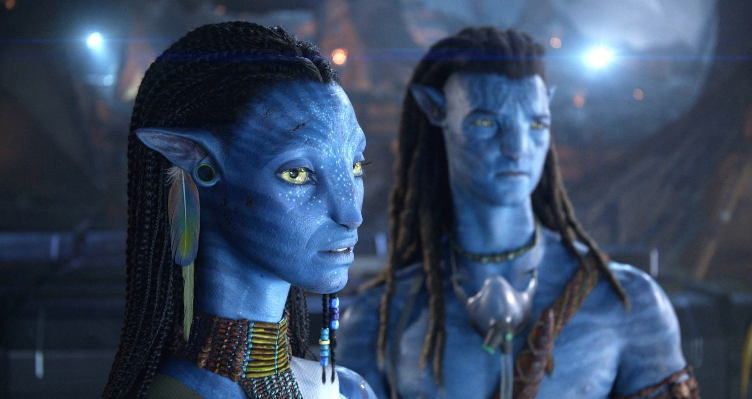
The emotional core of the Avatar series has always been the Sully family, and that remains true in this third chapter. Sam Worthington and Zoe Saldaña return as Jake Sully and Neytiri, still navigating the heavy burdens of leadership, grief, and protecting their children. The fallout from the previous film hangs heavily over the family, forcing them to adapt to yet another new environment while confronting unresolved trauma.
The younger cast members also return, stepping into more prominent roles as they continue to find their own paths on Pandora. However, the standout additions to the cast belong to the Ash People. Notably, Oona Chaplin (Game of Thrones) joins the franchise as Varang, the fierce and uncompromising leader of this new volcanic clan. Her performance injects a fresh, intense energy into the series, serving as a powerful foil to the characters we have grown to love over the past decade.
Pushing the Boundaries of Visual Storytelling
You cannot talk about an Avatar film without mentioning the technology, and Avatar 3 continues the franchise’s streak of pushing the limits of CGI and motion capture. Generating realistic fire, ash, and smoke interacting with characters and environments is notoriously difficult in digital animation. Yet, the creative team has managed to craft sequences that feel terrifyingly real.
The lighting in this film is particularly noteworthy. The glow of magma, the harsh shadows cast by volcanic rock, and the ember-filled skies create an atmospheric tension that keeps you on the edge of your seat. It is a darker, grittier-looking film, but it never loses that signature Pandoran majesty. Every frame is meticulously designed to be experienced on the biggest screen possible.

What to Expect Emotionally
If Avatar was about discovery, and The Way of Water was about family, then Avatar: Fire and Ash is fundamentally about the aftermath of conflict. The subtitle “Fire and Ash” is deeply metaphorical. As James Cameron hinted before the film’s release, fire represents anger, hatred, and violence, while ash represents what is left behind—grief, loss, and the slow, painful process of rebuilding.
You can expect a film that tests the morality of its heroes. It asks difficult questions about how far one should go to protect their own, and whether violence can ever truly solve the problems created by violence. It is undeniably the darkest chapter in the saga so far, but it is also one of the most compelling.
Conclusion: A Worthy Return to Pandora
Avatar: Fire and Ash is exactly what a major cinematic sequel should be: it expands the lore, challenges its characters, and introduces stakes that feel higher and more personal than ever before. By introducing the Ash People and shifting the elemental focus to fire, the franchise proves that it still has plenty of creative fuel left in the tank.
Whether you have been following the franchise since 2009 or are just now catching up on the epic saga, this third installment delivers the spectacle, heart, and breathtaking world-building that you expect from a trip to Pandora. Grab your tickets, find the biggest IMAX screen near you, and get ready to experience the heat.