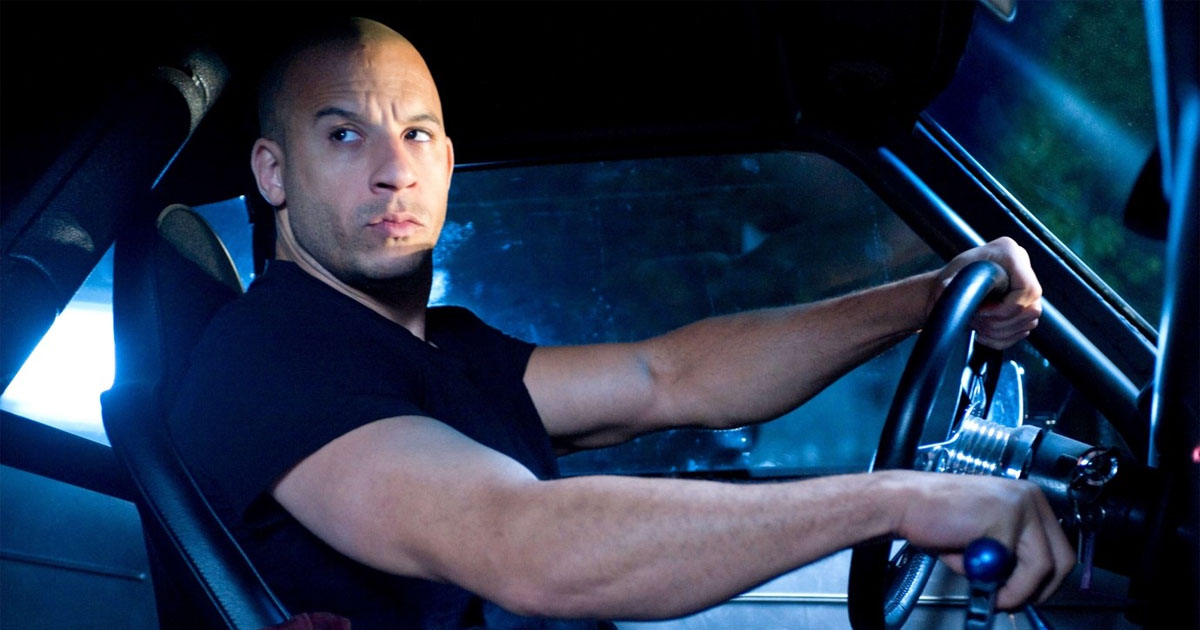
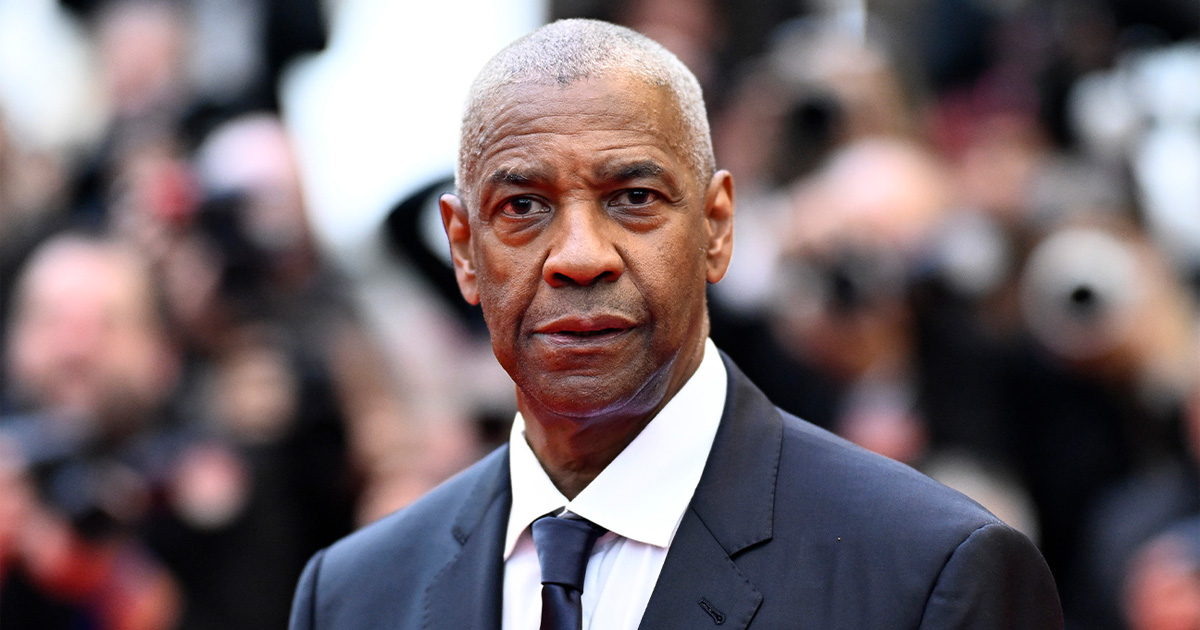
When you think of the quintessential Hollywood leading man, few names command as much respect, admiration, and undeniable screen presence as Denzel Washington. For over four decades, Washington has captivated audiences worldwide with his intense, nuanced performances and unparalleled versatility. Whether he is playing a righteous civil rights leader, a corrupt narcotics detective, or a relentless vigilante, Denzel Washington doesn’t just act—he completely embodies his roles.
This article explores the extraordinary life, sprawling career, and enduring legacy of one of cinema’s greatest actors.
Early Life and the Spark of Stardom
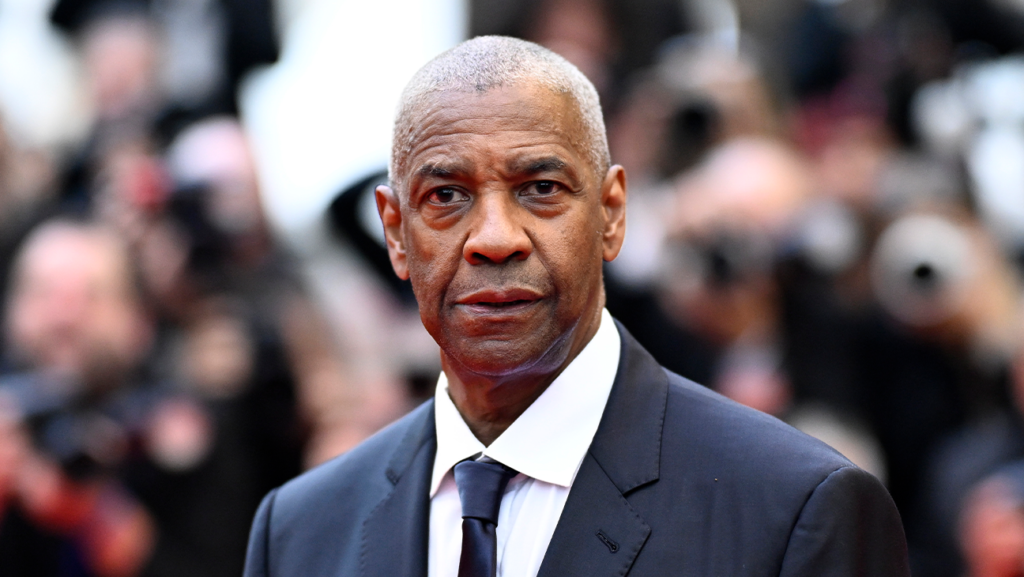
Born on December 28, 1954, in Mount Vernon, New York, Denzel Hayes Washington Jr. initially did not set out to become an actor. He explored paths in journalism and medicine at Fordham University before discovering a profound passion for the stage. After graduating with a B.A. in Drama and Journalism, he refined his craft at the prestigious American Conservatory Theater in San Francisco.
His monumental success did not happen overnight. Like many working actors, Washington paid his dues in off-Broadway productions and made-for-television movies. However, his undeniable charisma quickly caught the attention of casting directors, landing him the role of Dr. Philip Chandler on the hit medical drama St. Elsewhere in 1982. This six-year television stint served as a massive launching pad, introducing his magnetic talent to a national audience and setting the stage for his cinematic journey.
A Legacy of Iconic Film Performances
The late 1980s and early 1990s marked Washington’s transition from a television star to a bona fide box office powerhouse. His portrayal of South African anti-apartheid activist Steve Biko in the 1987 film Cry Freedom earned him his first Academy Award nomination for Best Supporting Actor. Just two years later, he took home that very Oscar for his breathtaking, emotional performance as Private Silas Trip in the historical war drama Glory (1989).
Throughout the 1990s, Washington collaborated with visionary directors to deliver some of the most critical performances of his career. His partnership with director Spike Lee yielded the monumental biographical epic Malcolm X (1992). Washington’s towering, transformative performance as the legendary civil rights leader earned him an Oscar nomination for Best Actor and cemented his status as a dramatic heavyweight.
Other notable hits from this era include The Pelican Brief (1993), Philadelphia (1993), and Crimson Tide (1995), proving his incredible range across legal thrillers, emotional dramas, and high-stakes military action films.
The 2000s: Breaking the Mold and Directorial Ventures
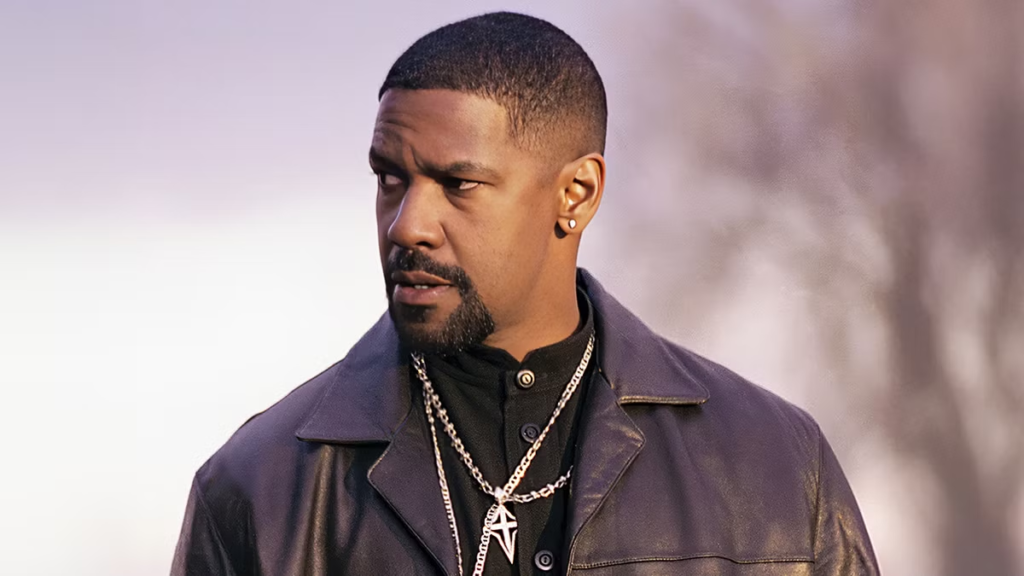
If the 90s established him as a premier dramatic actor, the 2000s showcased his willingness to take massive creative risks. In 2001, Washington shocked audiences by playing Alonzo Harris, a deeply corrupt and terrifyingly charismatic LAPD narcotics detective in Antoine Fuqua’s Training Day. The performance was a masterclass in villainy and earned Washington his second Academy Award—this time for Best Actor. He made history by becoming only the second African American actor to win the award in that category, following Sidney Poitier.
He continued to dominate the box office with intense, action-packed thrillers and deeply emotional dramas, including Man on Fire (2004) and American Gangster (2007). Recently, his role as Robert McCall in The Equalizer franchise has proven that he remains a dominant box-office draw and an elite action star well into his later career.
Stepping Behind the Camera
Denzel Washington’s influence extends far beyond acting in front of the lens. He made his directorial debut with the critically acclaimed biographical drama Antwone Fisher (2002), demonstrating a keen eye for storytelling.
He later directed and starred in The Great Debaters (2007) and the cinematic adaptation of August Wilson’s Pulitzer Prize-winning play Fences (2016). Fences was a massive critical success, earning Washington another Oscar nomination for Best Actor. His dedication to bringing August Wilson’s celebrated “American Century Cycle” to the screen highlights his commitment to preserving and elevating profound African American stories in mainstream cinema.
The Essential Denzel Washington Watchlist
For those looking to explore his vast filmography, here are a few absolute must-watch films that define his career:
- Glory (1989): The heartbreaking historical drama that secured his first Oscar.
- Malcolm X (1992): An unparalleled biographical performance of historical magnitude.
- Training Day (2001): A gripping, tense thriller featuring his most iconic villain role.
- Man on Fire (2004): A masterclass in the gritty revenge-thriller genre.
- Fences (2016): A raw, emotionally devastating family drama showcasing his theatrical roots.
Awards, Cultural Impact, and Lasting Legacy
Today, Denzel Washington is more than just a movie star; he is a global cultural icon. He holds a staggering number of accolades, including two Academy Awards, three Golden Globe Awards, a Screen Actors Guild Award, and a Tony Award for his Broadway performance in Fences (2010). In 2016, he received the Cecil B. DeMille Lifetime Achievement Award, and in 2022, he was awarded the Presidential Medal of Freedom, the highest civilian honor in the United States.
What truly sets Washington apart is his unwavering work ethic, his intense preparation, and the quiet dignity he brings to every single project. He has paved the way for generations of actors and continues to mentor young talent in the industry.
From the bustling emergency rooms of St. Elsewhere to the profound emotional landscapes of Fences, Denzel Washington’s career is a testament to the power of pure talent and dedication. He is a master of his craft and an undeniable legend. Whether you are revisiting his classic films or anticipating his next directorial project, one thing remains certain: Denzel Washington’s legacy will continue to inspire, move, and entertain for generations to come.