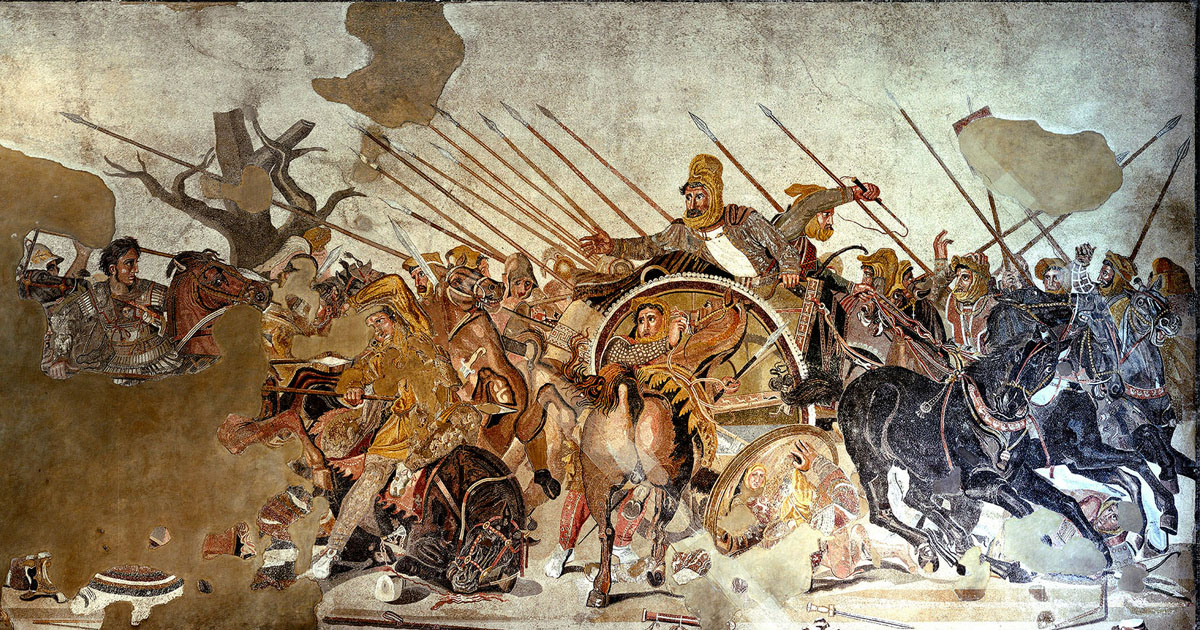
When we hear the name Alexander the Great, the immediate associations are usually military genius, undefeated campaigns, and an empire that stretched from Greece to the borders of India. By the time he was thirty, the young Macedonian king had conquered the mighty Persian Empire and etched his name into the annals of history.
However, looking at history through the lens of pure military conquest paints an incomplete picture. Behind the tactical brilliance lay profound administrative, political, and personal shortcomings. To truly understand this historical figure, we must ask: what were the failures of Alexander the Great?
Here is an in-depth look at how the world’s greatest conqueror ultimately failed at the most crucial task of all—building an empire meant to last.
A Master of War, A Novice in Governance
Alexander’s greatest strength was his forward momentum. He was a relentless military commander who thrived on the chaos of the battlefield. But conquering a territory and ruling it are two very different skills.
One of Alexander’s most glaring failures was his lack of administrative foresight. As he swept through Asia Minor, Egypt, and Persia, he overthrew established governments but often failed to replace them with a stable, centralized bureaucracy of his own. He frequently left local satraps (governors) in charge, many of whom proved to be corrupt or rebellious the moment the Macedonian army marched over the horizon. Alexander was obsessed with the horizon, constantly pushing east, leaving behind a fragile, patchwork government that was ill-equipped to survive without his immediate, intimidating presence.
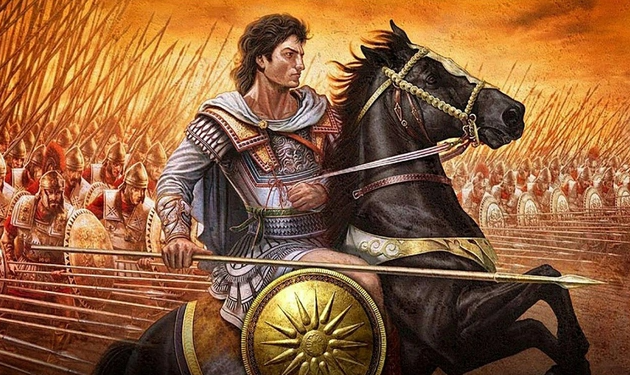
The Ultimate Blunder: No Succession Plan
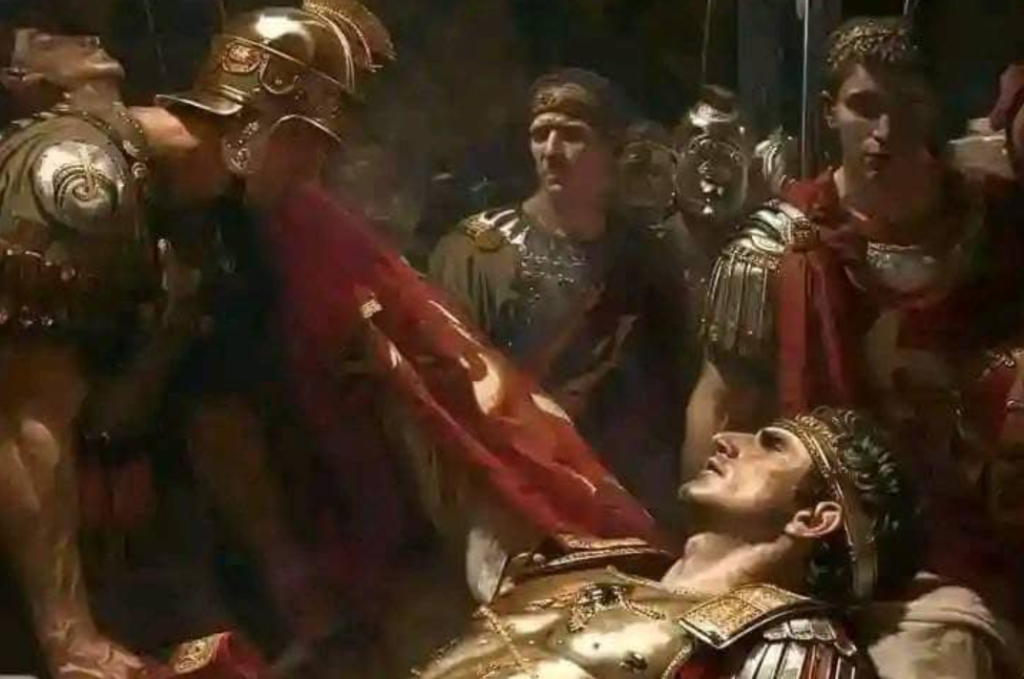
Perhaps the most catastrophic mistake Alexander made was failing to secure a clear line of succession. In 323 BC, Alexander fell suddenly ill in Babylon. As he lay dying at the age of 32, his generals gathered around his bed and asked him to whom he was leaving his vast empire.
His reported response was both legendary and disastrous: “To the strongest.”
Because he had not established a legitimate adult heir—his son, Alexander IV, was born after his death, and his half-brother was intellectually disabled—this vague deathbed proclamation acted as a match thrown into a powder keg. Upon his death, his top generals (the Diadochi) immediately tore the empire apart in a series of bloody civil wars that lasted for decades. Alexander’s failure to plan for the future guaranteed that his united empire died the exact same day he did.
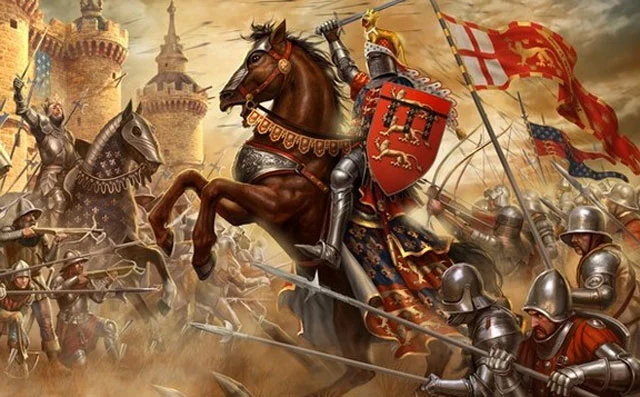
Pushing the Limits: The Mutiny and the Desert
Alexander’s ambition was boundless, but his men were only human. His relentless drive eventually blinded him to the physical and psychological toll his campaigns took on his army.
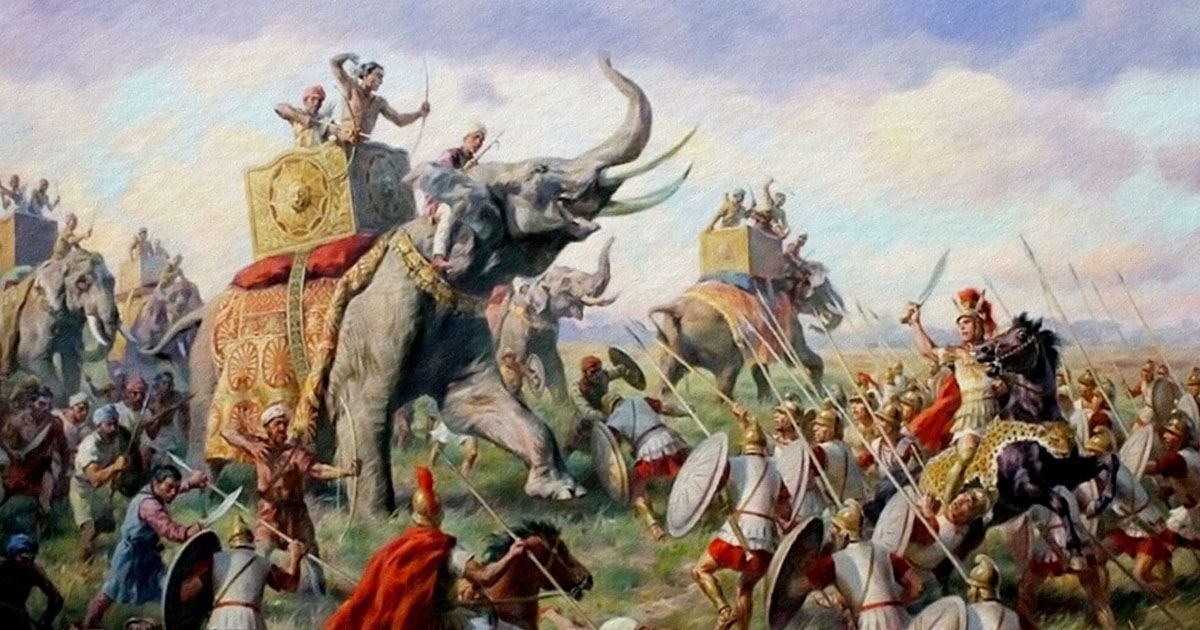
By the time the Macedonian forces reached the Hyphasis River in India in 326 BC, they had been marching, fighting, and bleeding for nearly a decade. They were exhausted, homesick, and terrified by the prospect of facing massive Indian armies equipped with war elephants. When Alexander ordered them to march further east, his loyal veterans finally broke and mutinied, refusing to take another step.
Forced to turn back, Alexander’s frustration clouded his judgment. He chose to march a large portion of his army back through the brutal Gedrosian Desert (modern-day southern Pakistan and Iran). This decision was a logistical nightmare and a monumental failure of leadership. Extreme heat, lack of water, and flash floods resulted in the deaths of thousands of his soldiers and camp followers—more casualties than he had ever suffered in any single battle.
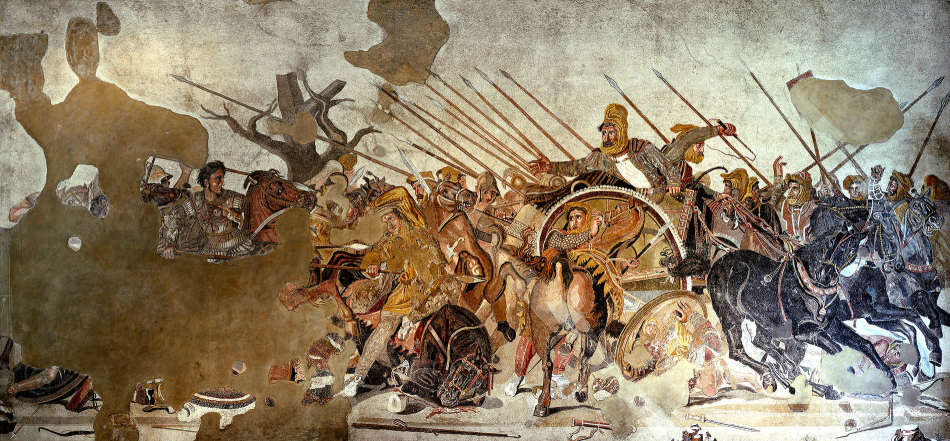
Cultural Alienation: The Fusion Policy Backfires
As Alexander conquered deeper into the Persian Empire, he realized that to rule the Persians, he needed to adopt their customs. He began wearing Persian royal dress, appointed Persians to high-ranking military positions, and encouraged his men to take Persian wives (most notably at the mass weddings at Susa).
While this “fusion policy” might seem progressive to modern eyes, it was a massive political failure in the context of ancient Macedon. His fiercely loyal Greek and Macedonian veterans felt alienated and betrayed. They viewed the Persians as a conquered people, not equals.
The tension boiled over when Alexander attempted to introduce the Persian custom of proskynesis—requiring his subjects to bow or prostrate themselves before him. To the Greeks, prostrating oneself was an act reserved strictly for the gods. Forcing free Macedonians to bow to their king like a living deity caused deep resentment, leading to conspiracies, assassination plots, and the execution of several of his most trusted friends and advisors, including Cleitus the Black and the philosopher Callisthenes.
Conclusion: The Myth vs. The Reality
History is often written by the victors, and for centuries, the myth of Alexander the Great has overshadowed his very real failures. He was undoubtedly a tactical prodigy, but his legacy as a ruler is defined by instability, poor long-term planning, and a devastating lack of foresight.
The failures of Alexander the Great teach us a timeless leadership lesson: conquest without consolidation is just chaos. He could defeat any army standing in front of him, but he could not conquer his own boundless ambition, and because of that, his magnificent empire crumbled to dust before his body was even cold.