When Alexander the Great died unexpectedly in 323 BC, he left behind the largest empire the ancient world had ever seen—and no clear heir to rule it. The resulting power struggle gave birth to several massive successor states, the largest and arguably most diverse of which was the Seleucid Empire.
Spanning from the sun-drenched coasts of the Mediterranean to the rugged mountains of modern-day Afghanistan and Pakistan, the Seleucid Empire was a true superpower of the ancient Middle East. For over two centuries, this Hellenistic behemoth bridged the gap between East and West, profoundly shaping the course of human history.
Here is an in-depth look at the rise, golden age, culture, and ultimate fall of the Seleucid Empire.
The Rise of the Seleucid Empire
The story of the Seleucid dynasty begins with the Wars of the Diadochi (the successors). After Alexander’s death, his top generals ruthlessly fought for control of his vast territories. Among them was Seleucus I Nicator (“The Victorious”), a commander of Alexander’s elite infantry.
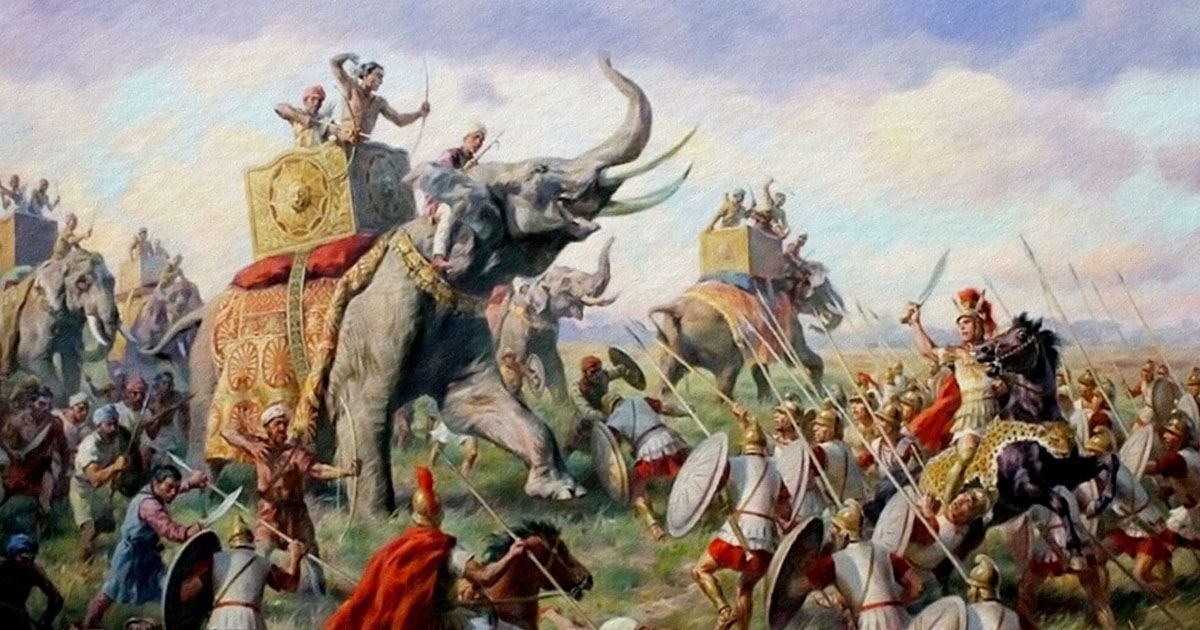
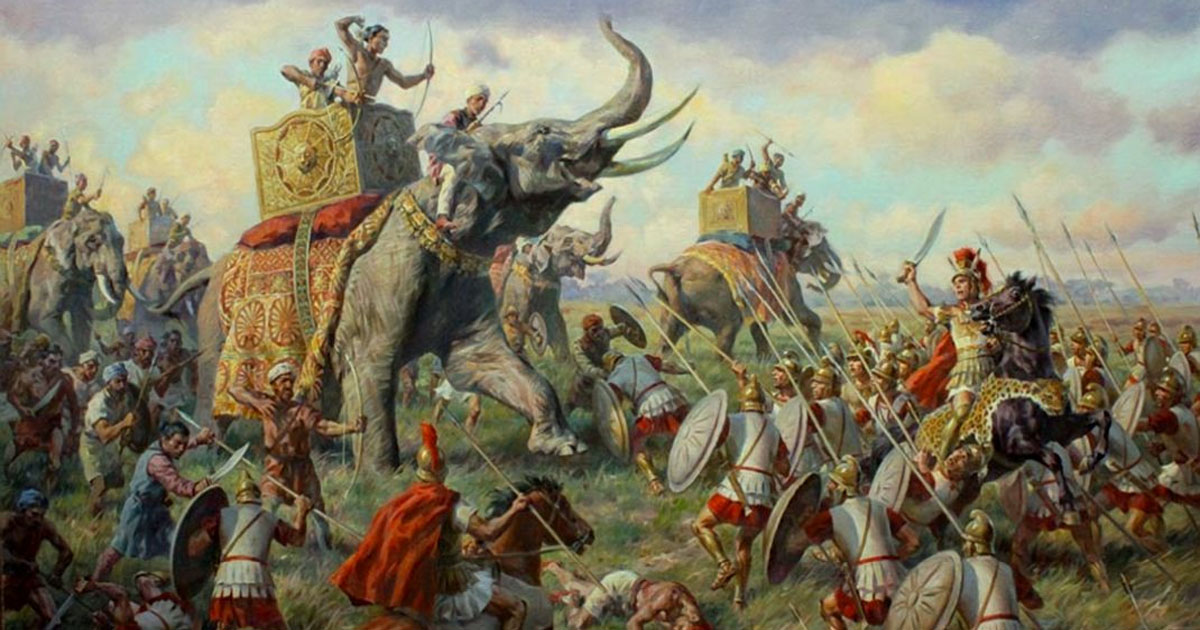
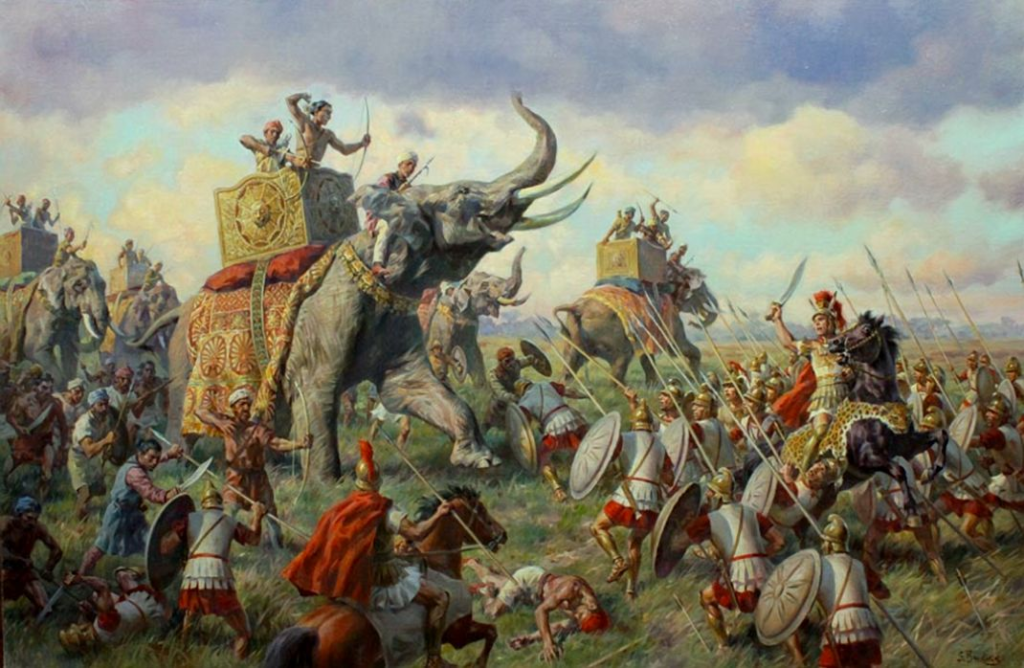
While initially a minor player, Seleucus proved to be a brilliant and patient strategist. In 312 BC, he successfully claimed Babylon, an event that officially marked the beginning of the Seleucid era. From this wealthy Mesopotamian power base, Seleucus rapidly expanded his borders. He marched eastward, reclaiming Alexander’s former territories all the way to the Indus River. There, he engaged in a brief conflict with the rising Mauryan Empire of India, eventually signing a peace treaty with Chandragupta Maurya that secured his eastern flank in exchange for 500 war elephants.
Armed with this formidable new military asset, Seleucus turned west, securing modern-day Iran, Syria, and much of Anatolia (Turkey). By the time of his assassination in 281 BC, Seleucus I had built an empire that rivaled the original size of Alexander’s conquests.
Expansion and the Golden Age
At its territorial peak, the Seleucid Empire covered roughly 1.5 million square miles. Governing such a massive and diverse landmass was a logistical nightmare, yet early Seleucid kings managed it through a combination of military might, administrative restructuring, and the establishment of new cities.
The empire experienced several peaks and valleys, but its true golden age occurred under the reign of Antiochus III the Great (ruled 222–187 BC). Upon inheriting a fractured and shrinking realm, Antiochus launched a series of aggressive military campaigns to restore the empire’s former glory. He successfully subdued rebellious satraps (provincial governors) in Persia, marched his armies deep into Bactria (modern-day Afghanistan), and even struck at Ptolemaic Egypt to seize control of the valuable Levant.
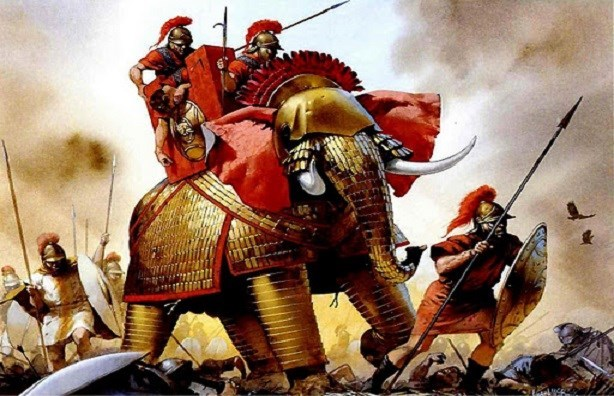
Under Antiochus III, the Seleucid military was a fearsome machine, combining traditional Greek phalanx formations with heavily armored cataphract cavalry and Indian war elephants.
A Cultural Melting Pot: Hellenistic Society
One of the most defining characteristics of the Seleucid Empire was its role as an engine of Hellenization—the spread of Greek language, art, and culture.
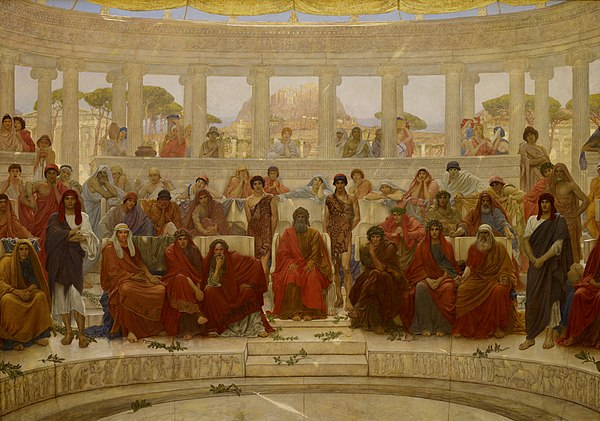
The Seleucid kings actively promoted the founding of hundreds of new Greek-style cities and military colonies across the Middle East. The two most famous were Seleucia on the Tigris (which replaced Babylon as the commercial hub of Mesopotamia) and Antioch on the Orontes (in modern-day Syria), which served as the empire’s glittering western capital.
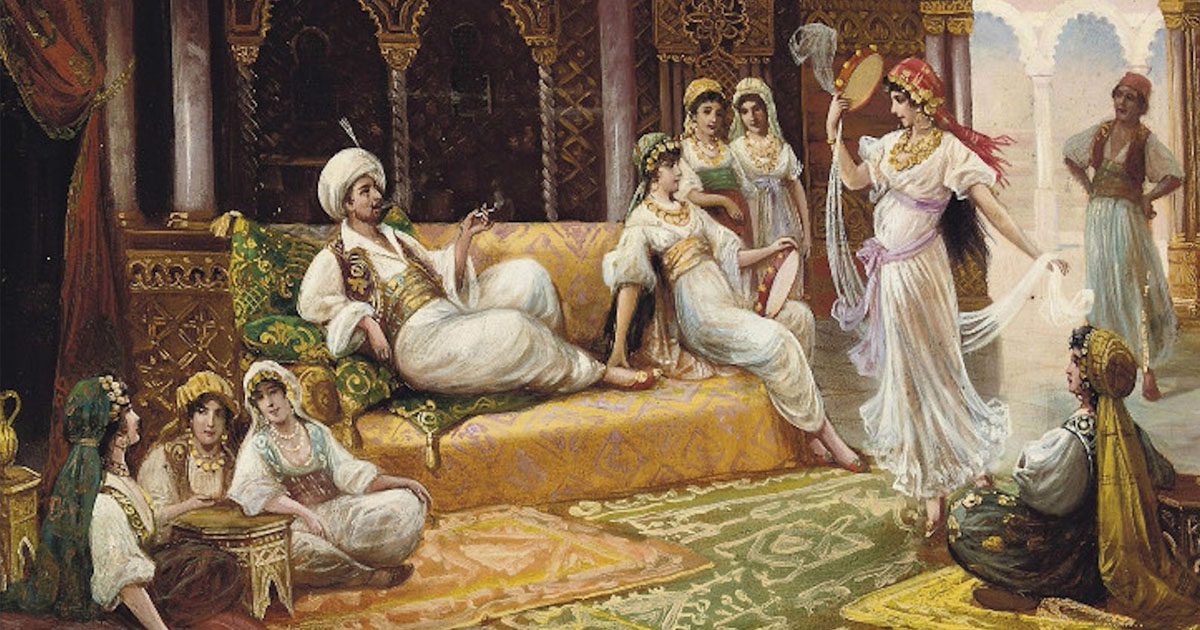
However, the Seleucid Empire was not simply Greece transplanted into Asia. It was a vibrant cultural melting pot. The ruling Greek elite were a tiny minority compared to the millions of Persians, Babylonians, Jews, and Arameans living within the empire. To maintain power, Seleucid kings often adopted local customs. They presented themselves as traditional Mesopotamian kings in Babylon and as successors to the Achaemenid Persian emperors in the East. This blending of Greek and indigenous traditions created a unique, cosmopolitan society where trade flourished along the early routes of the Silk Road.
The Decline and Fall of the Seleucid Empire
Despite its wealth and military power, the Seleucid Empire was ultimately undone by two fatal flaws: chronic internal instability and formidable external enemies.
Because the empire was so vast, ambitious local governors constantly attempted to break away and form their own kingdoms. The most devastating loss occurred in the mid-3rd century BC when the eastern provinces of Bactria and Parthia successfully rebelled. The rise of the Parthian Empire would slowly strip the Seleucids of their lucrative eastern territories, including Iran and Mesopotamia.
The fatal blow, however, came from the West. As the Seleucids expanded into Greece and Anatolia, they directly clashed with the rising superpower of the Mediterranean: the Roman Republic. In 190 BC, Roman forces decisively crushed the army of Antiochus III at the Battle of Magnesia. The resulting Treaty of Apamea forced the Seleucids to pay a crippling financial indemnity and abandon all territories north of the Taurus Mountains.
Crippled by debt and stripped of its wealthiest provinces, the empire spiraled into a century of vicious dynastic civil wars. The once-mighty state shrank down to a chaotic rump state centered around Syria. Finally, in 64 BC, the Roman general Pompey the Great marched into Antioch, abolished the Seleucid monarchy, and annexed Syria as a Roman province, bringing the empire to an unceremonious end.
The Enduring Legacy
While it may not be as famous as the Roman Empire or Ancient Egypt, the Seleucid Empire’s impact on world history is undeniable.
By facilitating trade and cultural exchange across thousands of miles, the Seleucids laid the groundwork for the globalized economies of late antiquity. Their cities became centers of learning, science, and art, preserving and advancing Greek philosophy while integrating Eastern wisdom. Today, the legacy of the Seleucid Empire lives on in the archaeological ruins scattered from the Mediterranean to the Hindu Kush—a testament to a Hellenistic giant that once ruled the center of the world.