Meta Description: Discover the fascinating history of the Maurya Empire. Learn about Chandragupta Maurya, Ashoka the Great, and how this ancient Indian dynasty shaped history, culture, and administration.
When we talk about the titans of ancient history, the Romans, Greeks, and Egyptians often dominate the conversation. However, tucked away in the Indian subcontinent is a powerhouse that rivaled them all: the Maurya Empire. Spanning from 322 BCE to 185 BCE, this colossal dynasty was the first state to unify most of the Indian subcontinent under one centralized government.
From its dramatic rise out of the ashes of Alexander the Great’s conquests to its golden age under Ashoka the Great, the Maurya Empire (also known as the Mauryan Empire) left an indelible mark on world history. If you want to understand the foundations of modern India, you have to start with the Mauryas.
The Rise of the Maurya Empire
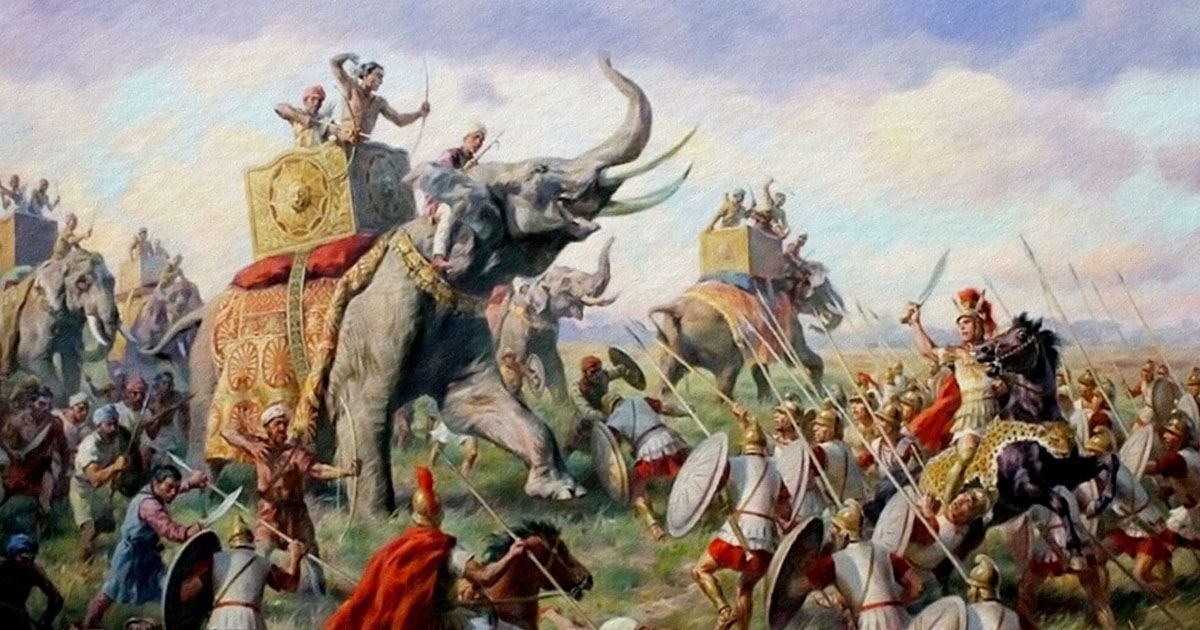
The story of the Maurya Empire begins in a time of political fragmentation. In 326 BCE, Alexander the Great abandoned his campaign in India, leaving behind a massive power vacuum in the northwestern part of the subcontinent.
Seizing this unprecedented opportunity was a young, ambitious leader named Chandragupta Maurya. Guided by his brilliant political advisor, Chanakya (also known as Kautilya), Chandragupta raised a formidable army. In 322 BCE, he successfully overthrew the corrupt Nanda Dynasty in the kingdom of Magadha.
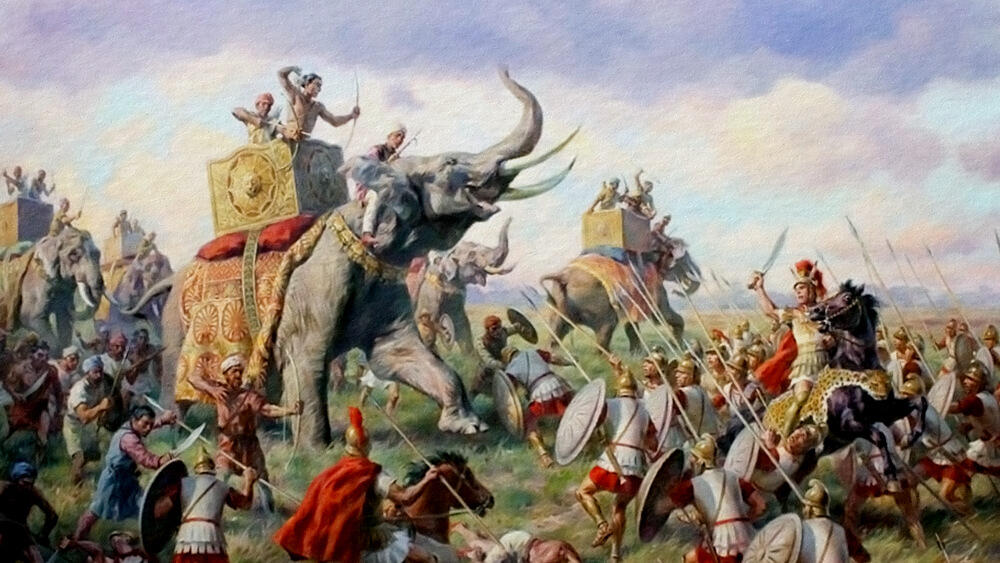
Chandragupta didn’t stop there. He marched westward, reclaiming territories from Greek satraps and successfully defeating Seleucus I Nicator, one of Alexander’s former generals. By the end of his reign, Chandragupta had forged a massive empire that stretched from the Himalayas in the north to the edge of the Deccan Plateau in the south, and from Assam in the east to modern-day Afghanistan in the west.
Key Rulers Who Shaped the Dynasty
The success of the Maurya Empire can largely be attributed to its first three emperors, each of whom brought a unique vision to the throne.
Chandragupta Maurya (The Founder)
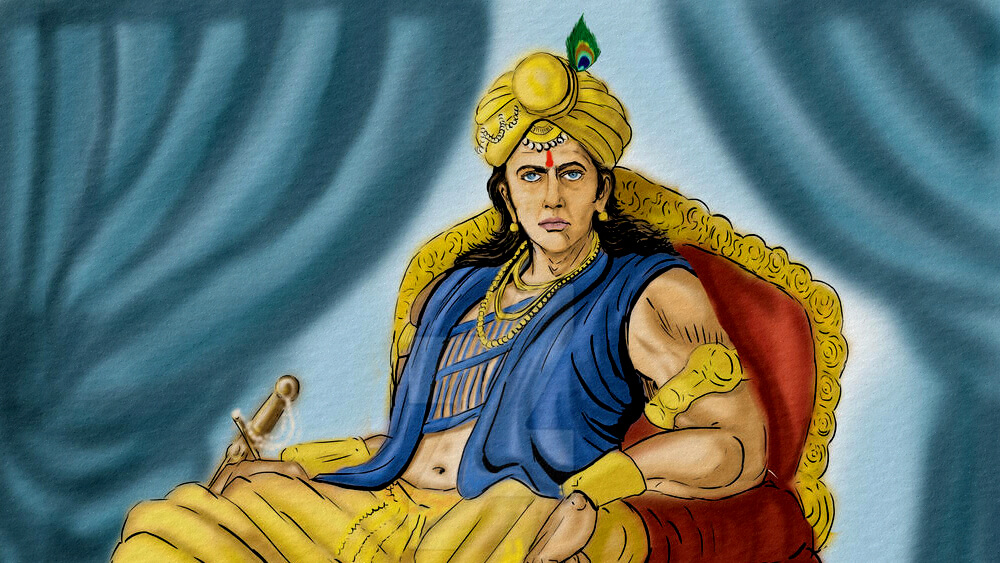
Reigning from 322 BCE to 298 BCE, Chandragupta was the ultimate military strategist and empire builder. He established a highly structured, centralized government and laid down the administrative frameworks that would sustain the empire for over a century. Fascinatingly, according to Jain tradition, he eventually abdicated his throne to become a Jain monk, fasting to death in a cave.
Bindusara (The Expander)
Chandragupta’s son, Bindusara, took the throne in 298 BCE. Known to the Greeks as “Amitrochates” (Destroyer of Foes), Bindusara focused on expanding the empire southward into the Deccan plateau. He successfully integrated sixteen states into the Mauryan fold, leaving only a few fiercely independent kingdoms, such as Kalinga, untouched.
Ashoka the Great (The Visionary)
Taking power in 268 BCE, Ashoka is arguably the most famous Indian emperor in history. His early reign was marked by ruthless military campaigns, culminating in the brutal Kalinga War. The staggering loss of life—over 100,000 dead—profoundly affected Ashoka. Plagued by guilt, he renounced violence, converted to Buddhism, and dedicated the rest of his life to Dhamma (a concept of moral law, non-violence, and social responsibility).
Under Ashoka, the empire reached its zenith, not through military might, but through cultural and spiritual dominance.
Administration, Economy, and the Arthashastra
How do you manage an empire of 50 million people in the ancient world? The answer lies in the Arthashastra, an ancient Indian treatise on statecraft, economic policy, and military strategy written by Chandragupta’s advisor, Chanakya.
- Centralized Government: The emperor held supreme power, supported by a council of ministers (Mantriparishad). The empire was divided into provinces, each governed by a royal prince.
- Espionage: The Mauryas operated a highly sophisticated spy network. Spies kept the emperor informed of public sentiment, the loyalty of officials, and the movements of foreign enemies.
- A Thriving Economy: The empire boasted a booming agricultural sector, facilitated by state-sponsored irrigation projects. A single, standardized currency (punch-marked silver coins) made internal trade seamless. The Mauryas also controlled the major trade routes connecting India to the Middle East, the Hellenistic kingdoms, and Southeast Asia.
Art, Architecture, and Religion
The Maurya Empire was a period of immense cultural transformation. Before the Mauryas, Indian architecture primarily utilized wood and brick. Ashoka revolutionized this by introducing stone architecture.
He commissioned the carving of his Edicts of Ashoka onto massive stone pillars and rock faces across the empire. These inscriptions spread his message of Dhamma, religious tolerance, and animal welfare. The most famous of these is the Lion Capital of Ashoka at Sarnath, an intricate sandstone sculpture featuring four Asiatic lions. Today, it serves as the official national emblem of the Republic of India.
Religion also evolved rapidly. While Brahmanism (the precursor to modern Hinduism) was deeply rooted, the Mauryan era saw the massive state-sponsored spread of Buddhism and Jainism. Ashoka even sent Buddhist missionaries as far as Greece, Egypt, and Sri Lanka, turning a regional philosophy into a global religion.
The Decline and Fall
Despite its brilliance, the Maurya Empire could not outlast the death of Ashoka in 232 BCE. The dynasty faced several compounding issues:
- Weak Successors: The emperors who followed Ashoka lacked his charisma, vision, and administrative prowess.
- Financial Strain: Maintaining a massive standing army and funding enormous public works projects drained the royal treasury.
- Vastness of the Empire: Without a strong central figure, managing communication and suppressing rebellions across such a massive territory became impossible.
In 185 BCE, the empire met a violent end. The last Mauryan ruler, Brihadratha, was assassinated during a military parade by his own commander-in-chief, Pushyamitra Shunga, who then established the Shunga Dynasty.
The Lasting Legacy of the Mauryas
Though the empire eventually collapsed, its legacy is immortal. The Maurya Empire proved that a unified, prosperous India was possible. It gave the world the Arthashastra, pioneered civil rights concepts through Ashoka’s edicts, and played a pivotal role in the global spread of Buddhism.
Today, the spirit of the Maurya Empire lives on. From the national emblem of India to the foundational principles of Indian statecraft, the echoes of Chandragupta and Ashoka the Great still resonate in the modern world.