When discussing the greatest military powers of the ancient world, one name inevitably echoes through history: Alexander the Great. In just over a decade, Alexander transformed the kingdom of ancient Macedonia into one of the largest empires the world had ever seen. Stretching from the shores of Greece to the edges of the Indian subcontinent, the Macedonian Empire forever changed the course of Western and Eastern civilization.
If you are fascinated by ancient history, tactical military genius, and the dramatic spread of Greek culture, understanding the Macedonian Empire under Alexander the Great is essential.
The Foundation: King Philip II and a Unified Greece
While Alexander often gets all the glory, the foundation of the Macedonian Empire was laid by his father, King Philip II. Before Philip took the throne in 359 BC, Macedonia was considered a rugged, semi-barbaric region on the northern fringes of Greece.
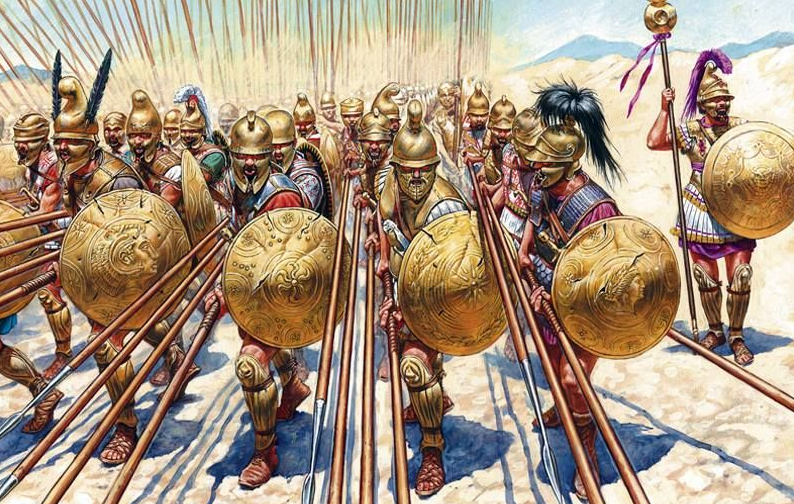
Philip II revolutionized the Macedonian military. He introduced the Macedonian phalanx—a highly disciplined infantry formation armed with the sarissa, a devastating 18-foot pike. Through brilliant diplomacy and ruthless warfare, Philip defeated the traditional Greek city-states like Athens and Thebes, uniting Greece under the League of Corinth.
When Philip was assassinated in 336 BC, a 20-year-old Alexander inherited a highly trained army, a unified Greece, and his father’s ambitious dream: the invasion of the mighty Persian Empire.
The Conquests of Alexander the Great
Alexander’s reign (336–323 BC) was defined by a series of relentless and unprecedented military campaigns. His strategic brilliance and fearless leadership on the battlefield allowed him to conquer territories at a blistering pace.
1. The Fall of the Persian Empire
The Achaemenid Persian Empire was the superpower of the day, dwarfing Macedonia in both wealth and manpower. Yet, Alexander confronted the Persian King, Darius III, in a series of legendary battles:
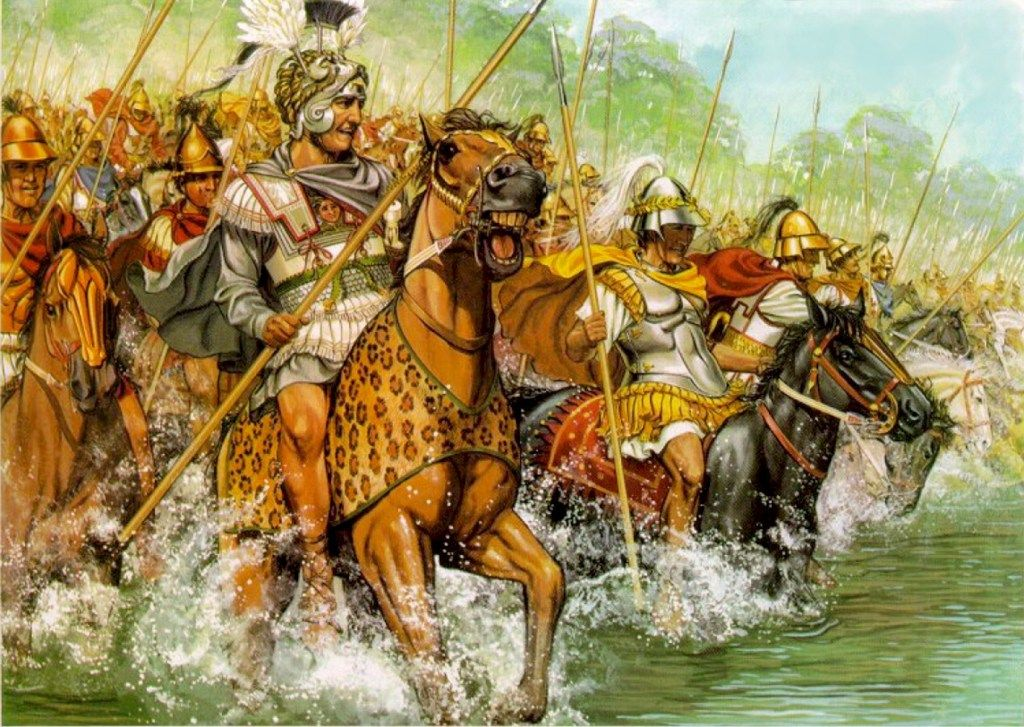
- The Battle of the Granicus (334 BC): Alexander’s first major victory against Persian satraps, opening the gates to Asia Minor.
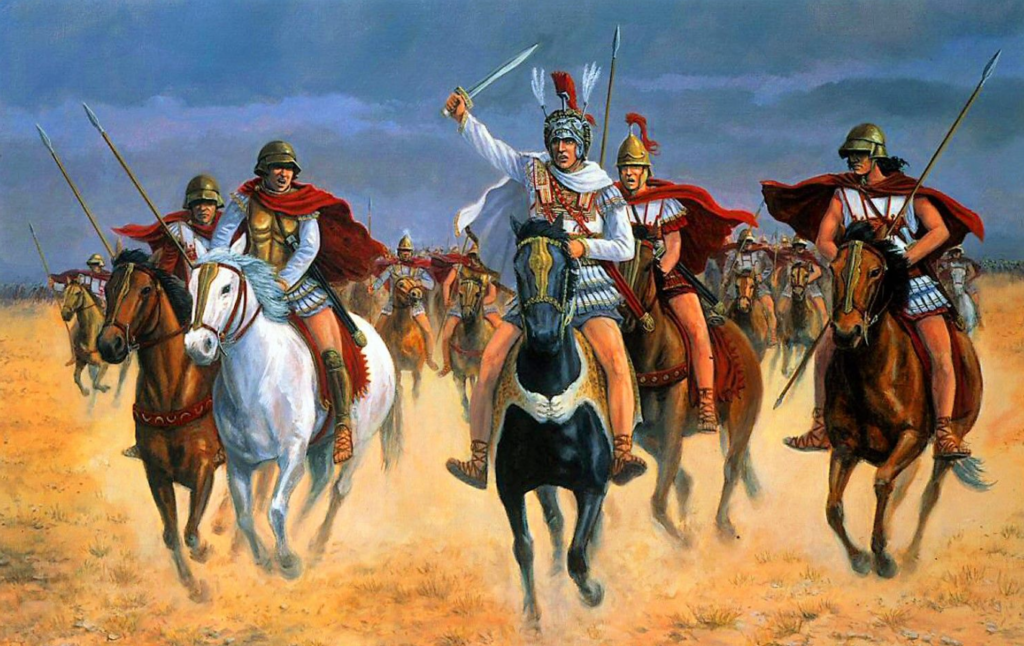
- The Battle of Issus (333 BC): A tactical masterpiece where Alexander directly charged Darius, forcing the Persian king to flee the battlefield.
- The Battle of Gaugamela (331 BC): The decisive blow. Despite being heavily outnumbered, Alexander’s strategic deployment dismantled the Persian army, effectively ending the Achaemenid Empire.
2. The Conquest of Egypt
Before plunging deep into Persia, Alexander marched into Egypt in 332 BC. The Egyptians, weary of Persian rule, welcomed him as a liberator and crowned him Pharaoh. Here, he founded the city of Alexandria, which would later become a dazzling beacon of knowledge, culture, and trade in the ancient Mediterranean world.
3. Marching to the Edge of the World
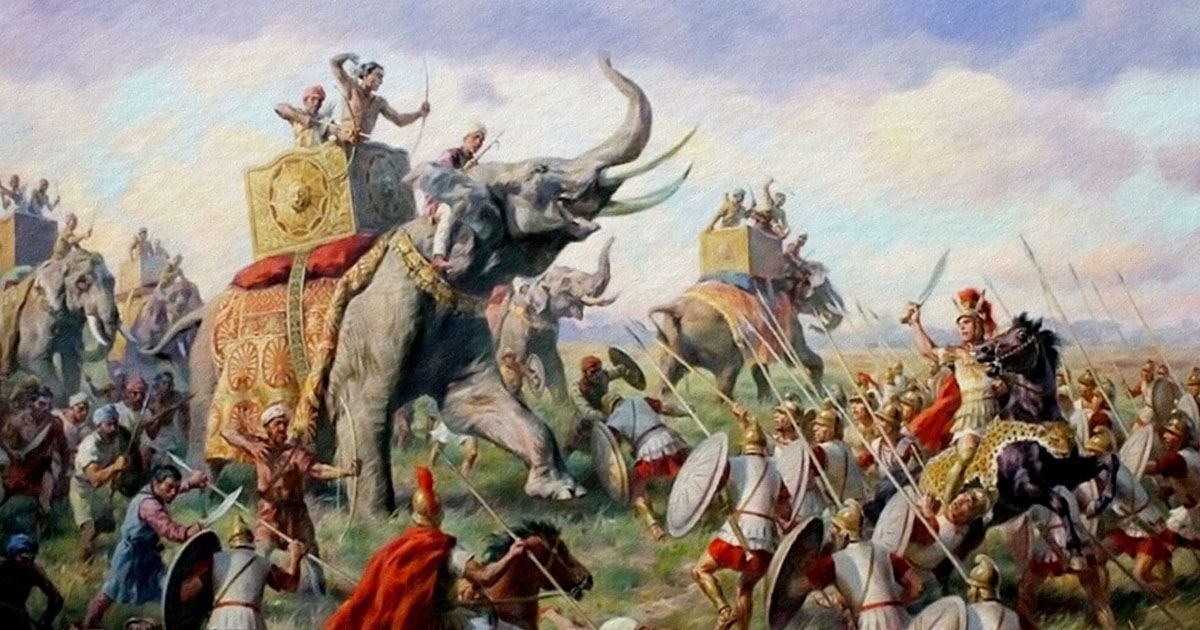
Not satisfied with conquering Persia, Alexander pushed his exhausted but fiercely loyal army further east into modern-day Afghanistan, Pakistan, and India. He won a hard-fought victory at the Battle of the Hydaspes (326 BC) against King Porus. It was only when his weary troops mutinied, refusing to march further east into the unknown, that the great conqueror finally agreed to turn back.
The Military Genius Behind the Empire
How did a relatively small Greek kingdom conquer the known world? The success of the Macedonian Empire relied on several key military innovations:
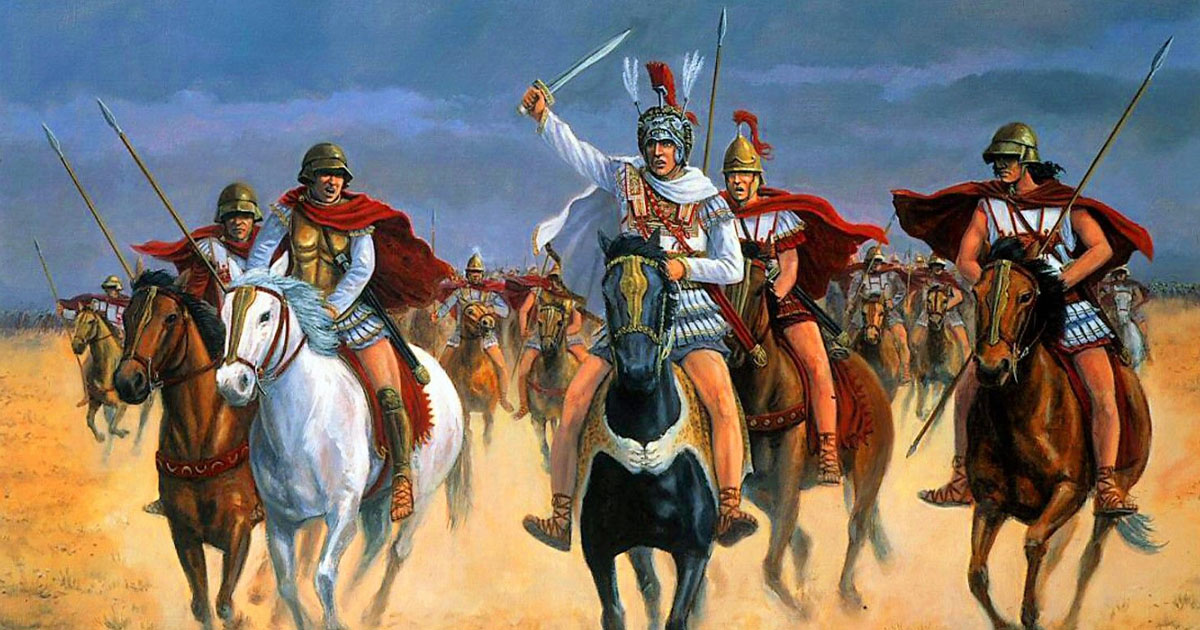
- Combined Arms Tactics: Alexander masterfully coordinated his heavy infantry (the phalanx) with his elite heavy cavalry (the Companion Cavalry).
- The Hammer and Anvil: The phalanx would pin the enemy in place (the anvil), while the cavalry would sweep around to deliver a devastating crushing blow from the rear or flank (the hammer).
- Adaptability: Whether facing war elephants in India, naval blockades in Tyre, or guerrilla warfare in Bactria, Alexander constantly adapted his tactics and weaponry to overcome new challenges.
Cultural Impact: The Dawn of the Hellenistic Age
Alexander the Great’s legacy is not just one of bloodshed and conquest; it is fundamentally about cultural integration. His empire acted as a massive bridge between the East and the West, sparking the beginning of the Hellenistic Period.
As his armies marched across Asia, they founded dozens of cities (many named Alexandria). Greek soldiers and citizens settled in these new territories, bringing with them Greek language, architecture, philosophy, and art. However, Alexander also respected local customs. He encouraged his generals to marry Persian noblewomen and integrated foreign troops into his army.
This blending of Greek (Hellenic) culture with Persian, Egyptian, and Indian traditions created a rich, syncretic culture that influenced art and religion—including the creation of Greco-Buddhist art in Central Asia—for centuries to come.
The Fall of the Empire and the Diadochi
In 323 BC, at the young age of 32, Alexander the Great died suddenly in Babylon, likely from a fever or disease. Because he left no clear heir, asking only that his empire go to “the strongest,” his sudden death triggered chaos.
His top generals, known as the Diadochi (Successors), immediately began warring over the massive territory. Within a few decades, the unified Macedonian Empire fractured into several powerful Hellenistic kingdoms, most notably:
- The Ptolemaic Kingdom in Egypt.
- The Seleucid Empire in Persia and Mesopotamia.
- The Antigonid Dynasty in Macedonia and Greece.
Conclusion
The Macedonian Empire under Alexander the Great blazed a trail through history that has never been forgotten. Though the unified empire was short-lived, lasting only until Alexander’s dying breath, its impact was permanent. It shattered the old world order, connected continents, and laid the cultural groundwork that would eventually influence the Roman Empire and the modern Western world. Today, Alexander’s military campaigns are still studied in military academies across the globe, ensuring the Macedonian Empire’s legendary status will endure forever.