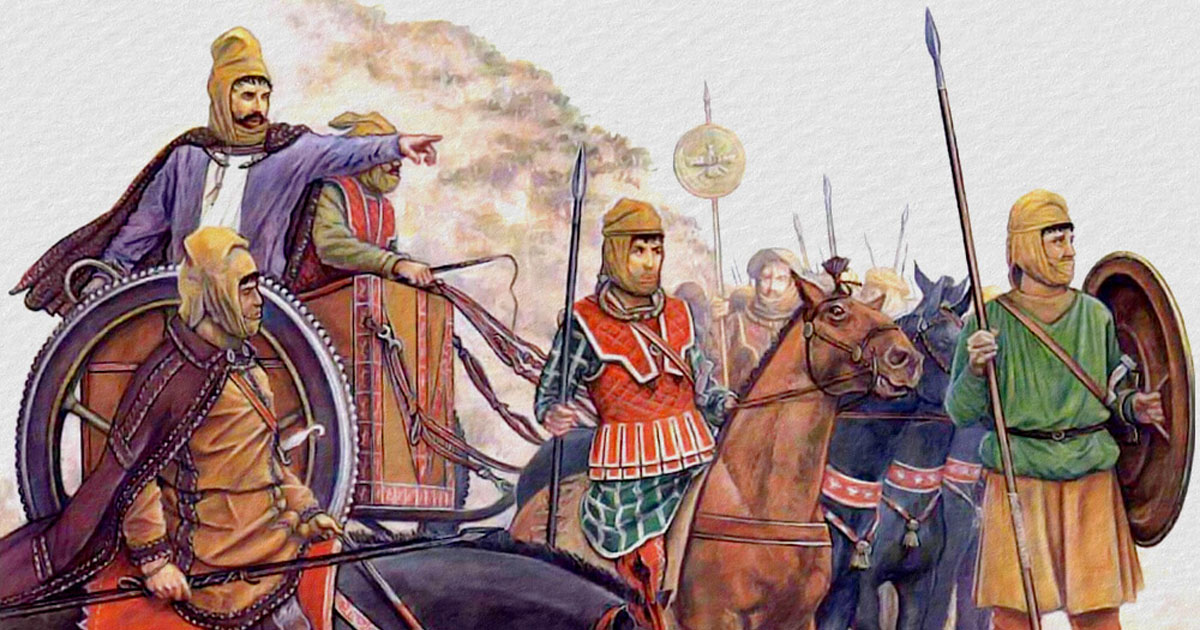
When we think of the greatest superpower of the ancient world, the First Persian Empire—also known as the Achaemenid Empire—undoubtedly tops the list. Spanning three continents from the Balkans and Eastern Europe in the west to the Indus Valley in the east, it was the largest empire the world had ever seen at the time of its existence.
Founded by Cyrus the Great in 550 BCE, the Achaemenid Empire didn’t just conquer lands; it revolutionized how vast territories were governed. From pioneering human rights to building incredible infrastructure, the First Persian Empire laid down a blueprint for modern civilization.
If you are a history enthusiast or simply curious about ancient superpowers, here is everything you need to know about the rise, golden age, and eventual fall of the First Persian Empire.
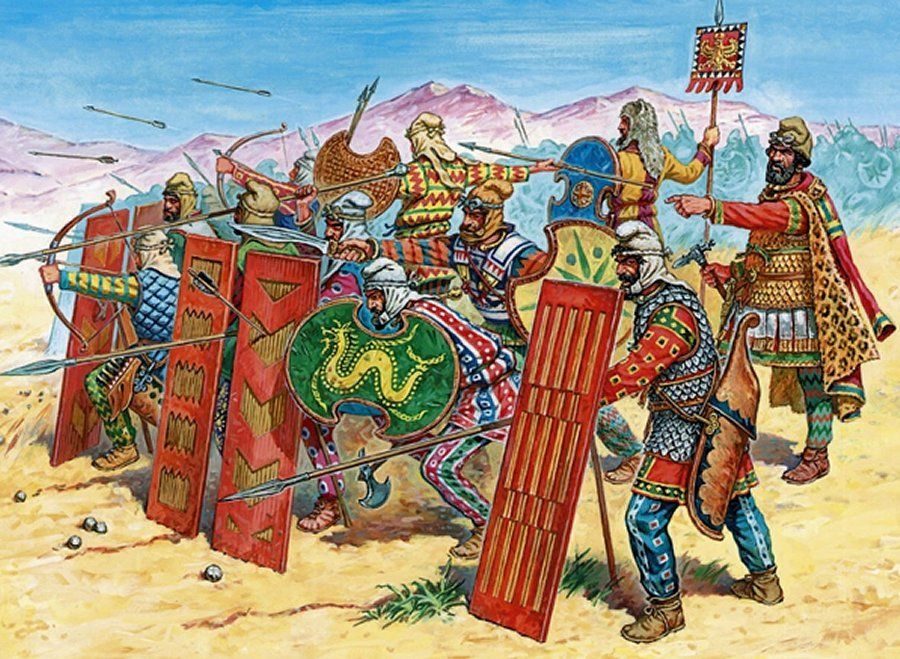
The Rise of the Achaemenid Empire: Cyrus the Great
The story of the First Persian Empire begins with Cyrus II, better known as Cyrus the Great. Before his reign, the Persians were a nomadic people living under the shadow of the Median Empire. In 550 BCE, Cyrus launched a successful rebellion against the Medes, effectively uniting the Iranian people and establishing the Achaemenid Dynasty.
Cyrus didn’t stop there. With brilliant military strategy, he expanded his borders at an astonishing rate, conquering the Lydian Empire in Asia Minor and the mighty Neo-Babylonian Empire.
What truly set Cyrus apart from other ancient conquerors, however, was his approach to leadership. Instead of ruling through terror, he practiced unprecedented tolerance. He allowed conquered nations to keep their customs, religions, and local leaders. This diplomatic brilliance is best captured in the Cyrus Cylinder, an ancient clay artifact that many historians consider to be the world’s first charter of human rights.
Masterpieces of Administration and Infrastructure
Managing an empire that stretched over 2.1 million square miles was no easy feat. To keep the Achaemenid Empire unified, subsequent rulers, particularly Darius I (Darius the Great), introduced groundbreaking administrative and infrastructural reforms.
The Satrapy System
Darius divided the massive empire into 20 distinct provinces called satrapies. Each province was overseen by a governor, or satrap, who was responsible for collecting taxes and maintaining order. To prevent these governors from gaining too much power, Darius also appointed independent military commanders and royal inspectors—often referred to as the “eyes and ears of the king”—who reported directly to the capital.
The Royal Road and Postal System
To connect his vast empire, Darius ordered the construction of the Royal Road. This incredible ancient highway stretched over 1,500 miles from Sardis (in modern-day Turkey) to the empire’s administrative capital in Susa (in modern-day Iran).
Along this road, the Persians established one of the world’s first sophisticated postal systems. Couriers on horseback could travel the entire length of the Royal Road in just seven days—a journey that would normally take ninety days on foot.
A Standardized Economy
Darius also revolutionized the ancient economy by introducing a standardized currency system. The gold daric and silver siglos made trade incredibly efficient across the empire. Coupled with standardized weights and measures, this economic reform turned the First Persian Empire into an international trading hub.
Architectural Marvels: The Grandeur of Persepolis
No discussion of the First Persian Empire is complete without mentioning its ceremonial capital, Persepolis. Commissioned by Darius the Great around 518 BCE and expanded by his son Xerxes I, Persepolis was a masterclass in ancient architecture and engineering.
Built on massive stone terraces, the city featured colossal palaces, grand staircases, and towering columns. The walls were decorated with intricate bas-reliefs depicting delegates from all over the empire bringing tribute to the Persian king. These carvings are a testament to the empire’s immense cultural diversity and wealth. Even today, the ruins of Persepolis stand in modern-day Iran as a UNESCO World Heritage site, showcasing the architectural genius of the Achaemenid era.
The Greco-Persian Wars
Despite its immense power, the First Persian Empire found a stubborn rival in the west: the independent city-states of ancient Greece.
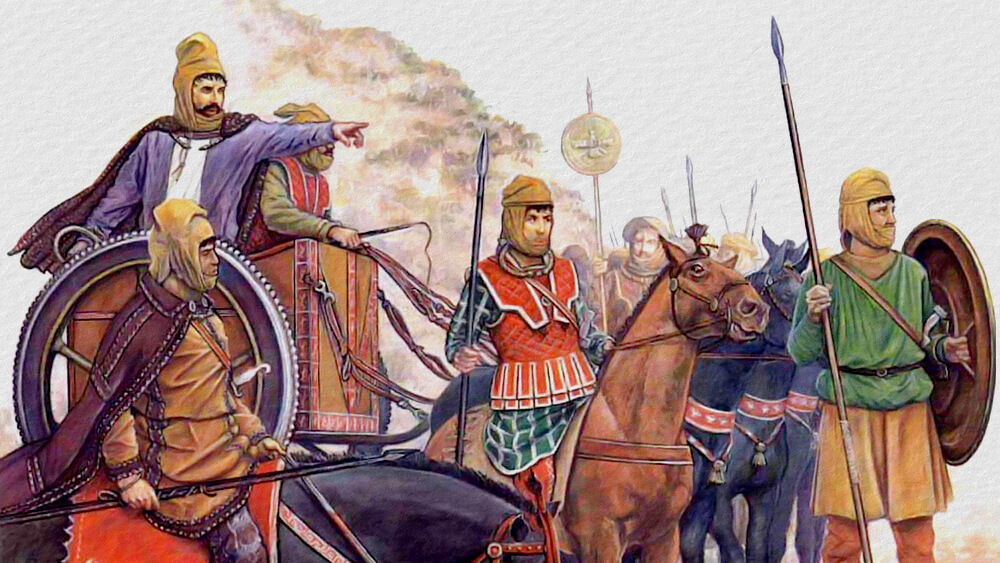
The conflict, known as the Greco-Persian Wars, began in 499 BCE when Greek city-states supported a rebellion against Persian rule in Ionia. Seeking retaliation, Darius the Great launched an invasion of Greece but was famously defeated at the Battle of Marathon in 490 BCE.
A decade later, his son Xerxes I returned with a massive army. While the Persians achieved a costly victory against the Spartans at the legendary Battle of Thermopylae and successfully burned Athens, their naval fleet was decimated at the Battle of Salamis. Ultimately, the Persians were forced to retreat, marking the beginning of a slow decline for the Achaemenid Empire.
The Fall of an Empire: Enter Alexander the Great
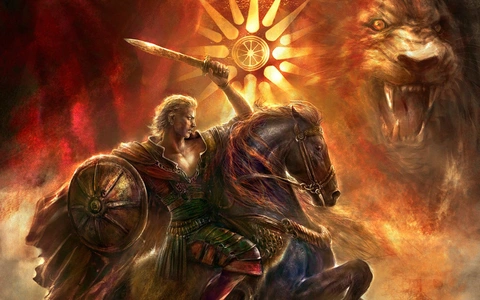
By the 4th century BCE, the First Persian Empire was suffering from internal rebellions, economic instability, and weak leadership. This vulnerability caught the attention of a young, ambitious Macedonian king: Alexander the Great.
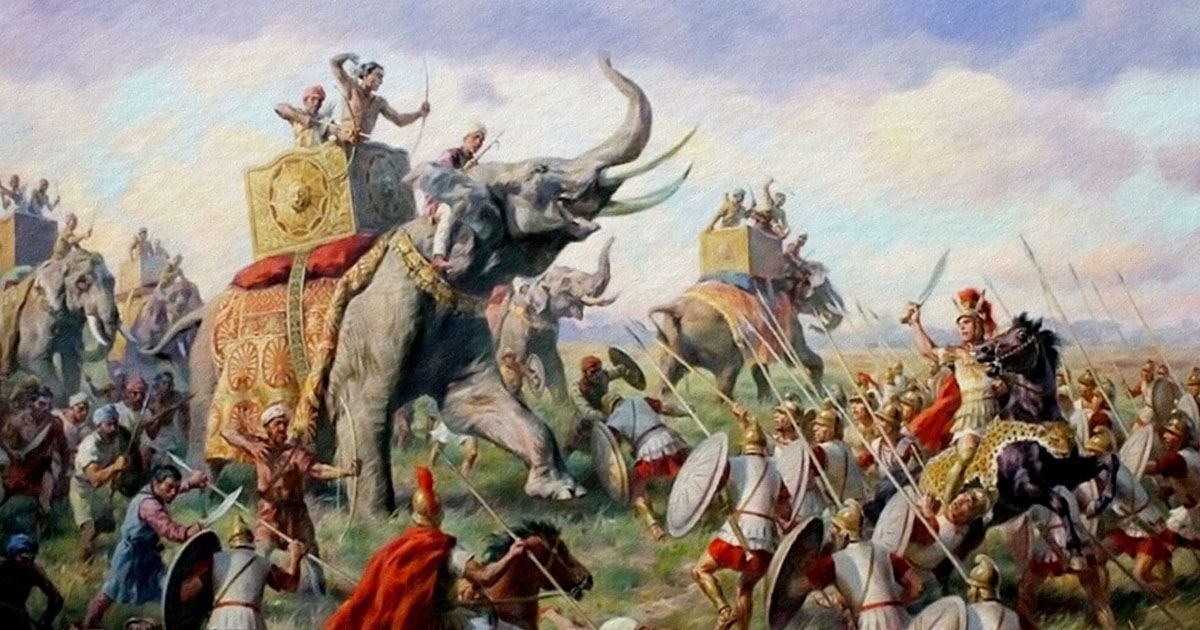
In 334 BCE, Alexander launched his legendary campaign against the Persian Empire. Over the next few years, he decisively defeated the forces of King Darius III in major conflicts like the Battle of Issus and the Battle of Gaugamela. By 330 BCE, Alexander had captured Persepolis, and Darius III was assassinated by his own men. With that, the glorious Achaemenid Empire officially came to an end.
The Lasting Legacy of the First Persian Empire
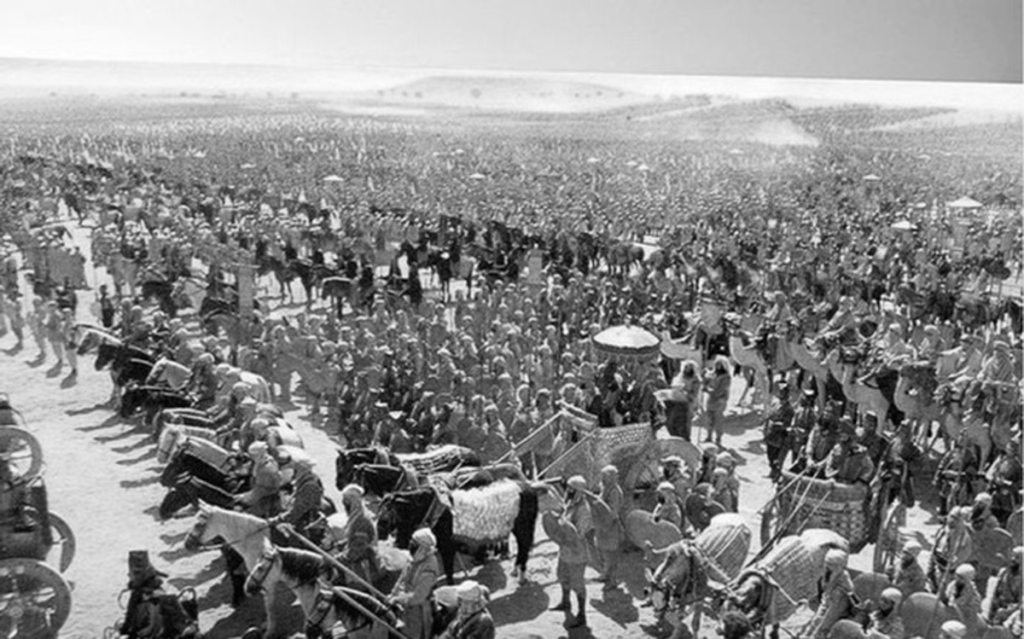
Though it fell to Alexander the Great, the legacy of the First Persian Empire changed the course of world history. The Achaemenids proved that it was possible to govern a massive, multi-ethnic empire through tolerance, efficient administration, and superior infrastructure.
Their innovations—from standardizing coinage and postal routes to the concept of human rights and administrative bureaucracy—heavily influenced the empires that followed, including the Romans and the very Macedonians who conquered them. Today, the story of the First Persian Empire remains a fascinating chapter of human history, reminding us of the brilliant heights ancient civilizations could achieve.