
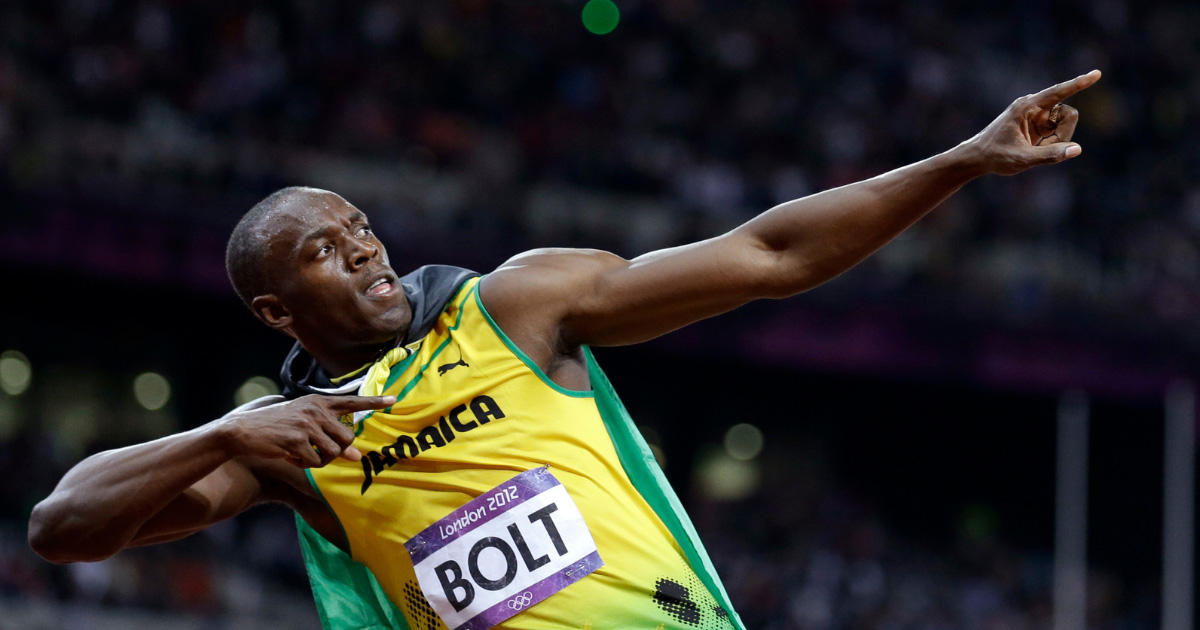
When you hear the phrase “the fastest man in the world,” one name immediately comes to mind: Usain Bolt. With his towering physical presence, infectious smile, and signature “Lightning Bolt” victory pose, the Jamaican sprinter didn’t just break athletic records—he completely redefined the limits of human speed.
For over a decade, Bolt dominated the sport of track and field, capturing the hearts of millions and bringing an unprecedented level of global entertainment to athletics. Whether you are a die-hard sports fan or simply appreciate greatness, understanding Usain Bolt’s journey from a small Jamaican town to global superstardom is nothing short of inspiring.
Here is an in-depth look at the life, career, and enduring legacy of the greatest sprinter of all time.
The Origins of “Lightning Bolt”
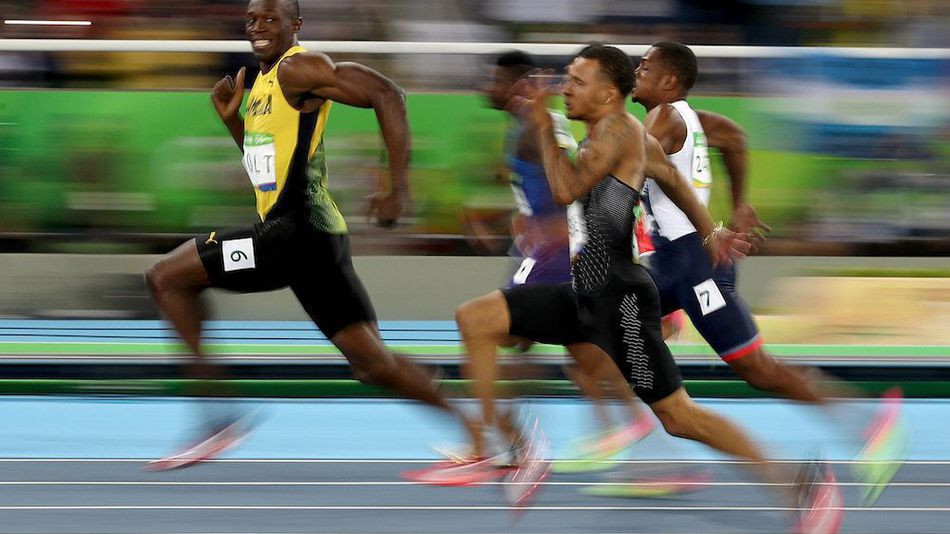
Born Usain St. Leo Bolt on August 21, 1986, in Sherwood Content, a small, rural town in Trelawny, Jamaica, Bolt’s early life was deeply rooted in sports. His parents, Wellesley and Jennifer Bolt, ran a local grocery store while a young Usain spent his time playing cricket and soccer in the streets.
It was his primary school cricket coach who first noticed Bolt’s explosive speed on the pitch and encouraged him to try track and field. By the time he reached high school, Bolt was under the guidance of former Olympic sprinter Pablo McNeil. Though McNeil often grew frustrated with Bolt’s initial lack of discipline and penchant for practical jokes, the raw talent was undeniable.
Bolt’s breakout moment on the international stage came at the 2002 World Junior Championships in Kingston, Jamaica. Competing in front of a home crowd at just 15 years old, he won the 200-meter gold medal, becoming the youngest world-junior gold medalist in history. It was here that the legend of the “Lightning Bolt” was officially sparked.
Olympic Dominance: Redefining Human Speed
Usain Bolt’s transition to the senior professional circuit was initially plagued by injuries, but by the 2008 Beijing Olympics, he was fully healthy and ready to shock the world.
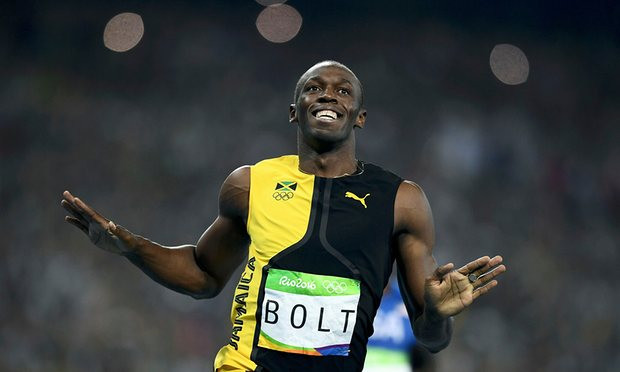
Beijing is where Bolt transitioned from a track star to a global icon. He achieved the unthinkable by winning three gold medals and setting three world records in a single Olympic Games.
- The 100m Dash: He clocked an astonishing 9.69 seconds, famously slowing down and celebrating before he even crossed the finish line—all with an untied shoelace.
- The 200m Dash: He broke Michael Johnson’s long-standing record by finishing in 19.30 seconds.
Bolt didn’t stop there. He went on to defend his titles at the 2012 London Olympics and the 2016 Rio de Janeiro Olympics. By securing gold in the 100m and 200m across three consecutive Olympic Games, he achieved a historic “triple-double,” cementing his status as one of the most dominant athletes in the history of the Olympic movement. He ultimately retired with eight Olympic gold medals to his name.
The Unbreakable World Records
To truly grasp Bolt’s impact on sports, one must look at the numbers. His performance at the 2009 World Athletics Championships in Berlin remains a pinnacle of athletic achievement. It was on this blue track that Bolt set the current world records that athletes are still chasing today:
- 100-Meter Dash (9.58 seconds): Bolt shaved 0.11 seconds off his own Beijing record. To this day, no other human being has come close to breaking the 9.60-second barrier.
- 200-Meter Dash (19.19 seconds): He completely obliterated his previous record, proving that his tall frame (6 feet 5 inches) was actually a massive biomechanical advantage, allowing him to cover more ground with fewer strides than his competitors.
The Persona: Charisma Beyond the Track
What made Usain Bolt a true superstar wasn’t just how fast he ran, but how he ran. Track and field is an incredibly grueling, high-pressure sport, yet Bolt always appeared loose, relaxed, and joyful on the starting line.
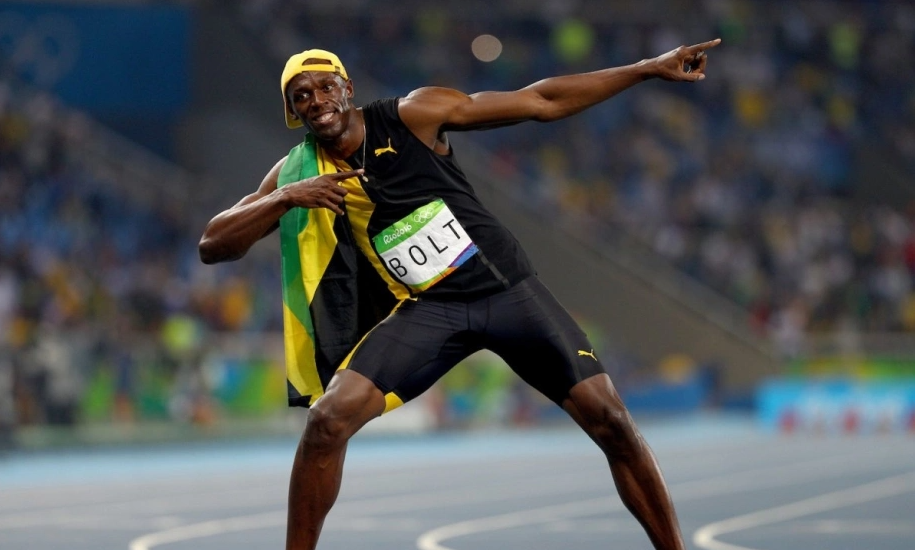
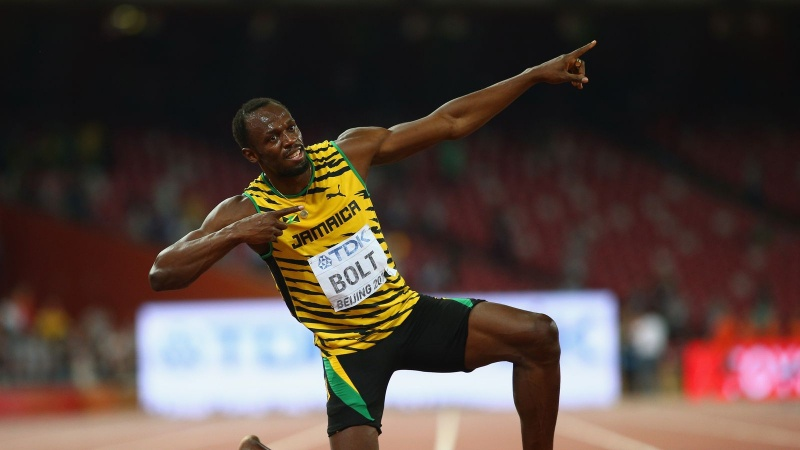
He interacted with the cameras, danced to the music in the stadium, and playfully engaged with volunteers. In an era where sports were often clouded by doping scandals and hyper-serious competitors, Bolt brought an element of pure fun. His signature “To Di World” pose—leaning back and pointing both index fingers toward the sky—became a global cultural phenomenon, imitated by everyone from fellow athletes to world leaders.
Life After the Finish Line: Business and Philanthropy
After battling a hamstring injury, Usain Bolt officially retired from track and field following the 2017 World Championships in London. However, his departure from athletics did not mean stepping out of the spotlight.
Post-retirement, Bolt briefly pursued his lifelong dream of playing professional soccer, training with clubs in Germany, South Africa, and Australia. While a long-term soccer career didn’t materialize, his transition into the business world was highly successful. He has secured lucrative, lifelong endorsement deals with massive brands like Puma, launched an electric scooter company (Bolt Mobility), and opened a chain of restaurants called Tracks & Records.
Furthermore, Bolt remains deeply committed to giving back. Through the Usain Bolt Foundation, he focuses on educational and cultural development for children in Jamaica, ensuring that the next generation has the resources to chase their own dreams, whether on the track or in the classroom.
Conclusion: A Legacy That Will Last Forever
Usain Bolt’s legacy extends far beyond the gold medals hanging around his neck or the world records etched into the history books. He is a once-in-a-generation talent who elevated the sport of track and field to new heights of popularity.
Through unmatched dedication, supreme confidence, and a joyful spirit, the Jamaican sprinter proved that the human body is capable of moving at speeds once thought impossible. While records are technically made to be broken, the legacy of Usain Bolt—the undisputed fastest man in the world—will undoubtedly stand the test of time.